

Comprehensive Trailer Winch Guide: Choosing the Right Size Electric Winch for Your Needs
A winch is a tool that can transform the way you use your trailer, making loading and unloading heavy items significantly easier. Whether you need to pull a boat onto a trailer, recover a vehicle, or hoist equipment, selecting the right winch with appropriate pulling power is crucial. This comprehensive guide will help you understand winch types, proper sizing, installation procedures, and maintenance tips to ensure you get the most out of your trailer winch investment.
Trailer Winches

Megaflint Trailer Winch,Reversible Electric Winch, for Boats up to 6000 lbs.12V DC,Power-in, Power-Out, and Freewheel Operations,30% Higher winching Power Than Regular 6000 lbs Winch (5000lbs Marine)
Megaflint Trailer Winch,Reversible Electric Winch, for Boats up to 6000 lbs.12V DC,Power-in,…
VIEW LATEST PRICE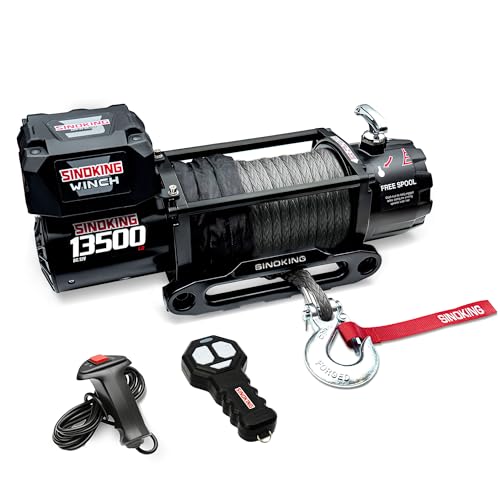
SINOKING 13500 lb Electric Winch for Jeep, Truck, SUV, Trailer Winch & Boat Winch – Heavy Duty Synthetic Rope 12V Winch, Waterproof Towing Winch with Wireless and Wired Remote
SINOKING 13500 lb Electric Winch for Jeep, Truck, SUV, Trailer Winch &…
VIEW LATEST PRICE
VEVOR Electric Winch, 10,000 lb Truck Trailer Jeep Winch, 12V DC 7/20 in x 65 ft Synthetic Rope Aluminum Fairlead Wireless & Wired Remote Control, IP55 Waterproof Towing for Off Road Jeep SUV Boat
VEVOR Electric Winch, 10,000 lb Truck Trailer Jeep Winch, 12V DC 7/20…
VIEW LATEST PRICEWhat size winch do I need for my trailer?
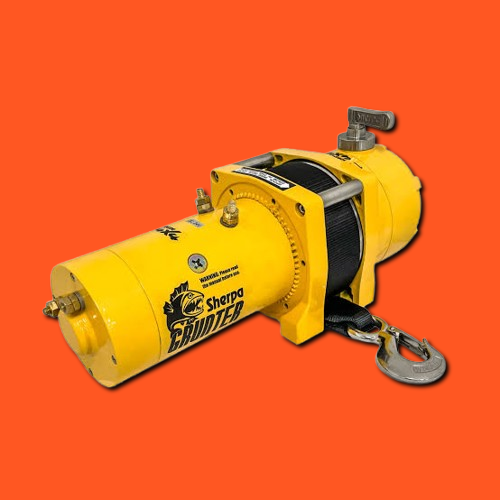
Selecting the proper winch size is perhaps the most critical decision when outfitting your trailer with a winch. A winch that’s too small cannot safely handle your load, while an unnecessarily powerful winch may be heavier and more expensive than needed. The key to choosing the right winch lies in understanding your specific towing needs and the weight you’ll be pulling onto the trailer regularly.
How to calculate the proper winch size based on load weight
The general rule for determining the minimum winch capacity is to select a winch rated for at least 1.5 times the gross vehicle weight (GVW) of what you plan to pull. For example, if you need to load a 4,000 lb boat onto a trailer, you should look for a winch with at least 6,000 lb capacity. This safety margin accounts for additional resistance factors like inclines, mud, or sand that could increase the pulling resistance.
Many experts recommend going even higher for trailer applications where you regularly pull heavy loads. A 9000 lb winch might be appropriate for consistently loading vehicles or boats in the 5,000-6,000 lb range. Remember that the weight of the vehicle or item being loaded is different from the trailer’s weight itself—focus on what you’re pulling onto the trailer, not the trailer’s capacity.
Understanding winch capacity ratings and safety factors
Winch capacity ratings can be confusing because manufacturers often advertise the maximum line pull, which is usually measured on the first layer of rope on the winch drum. As more rope spools onto the drum with each layer, the effective pulling power decreases. A 12k winch (12,000 lb capacity) might actually deliver only 9,000-10,000 lbs of pulling power when multiple layers of rope are on the spool.
Additionally, winches are designed with different duty cycles—most electric winches aren’t meant for continuous operation and need cooling periods. Understanding these ratings helps ensure you don’t push your winch beyond its capabilities.
For safety reasons, never exceed 80% of your winch’s rated capacity for regular use. If you’re regularly approaching the maximum capacity of your winch, consider upgrading to a higher capacity model to extend the lifespan of your equipment and maintain a proper safety margin.
Matching winch size to different trailer types
Different trailer types require different winch configurations. A boat trailer typically needs a winch mounted on the trailer tongue with enough pulling power to draw the boat up the rollers or bunks. A car trailer or equipment trailer might benefit from a winch mounted at the front of the deck. For a boat trailer, a 2,500-4,000 lb winch is often sufficient for smaller boats, while larger vessels may require a 5,000-9,000 lb winch.
Car trailers typically need more powerful winches, with many owners opting for 9,000-12,000 lb models to safely pull vehicles. Utility trailers used for ATVs or garden equipment might need only 2,500-4,000 lb winches. Always consider not just the weight but also the potential for resistance—pulling a vehicle with locked brakes or a boat against a current will require significantly more power than the static weight would suggest.
What are the different types of winches available for trailers?
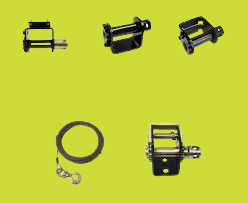
The market offers several different types of winches designed for various trailer applications. Understanding the distinctions between manual, electric, and hydraulic options will help you select the most appropriate winch for your specific needs. Each type offers unique advantages depending on your frequency of use, budget, and power requirements.
Manual vs. electric trailer winches: pros and cons
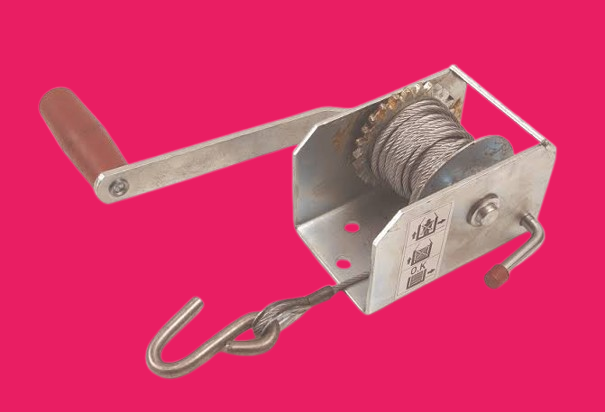
Manual winches operate through hand-cranking a ratchet mechanism, requiring physical effort to pull loads onto the trailer. These winches are typically more affordable, with prices ranging from $50 to $200, and they don’t require a power source, making them reliable in remote locations. However, manual winches are limited in capacity (usually up to 3,500 lbs) and can be physically demanding to operate, especially when pulling heavier loads like boats onto a trailer. Electric winches, by contrast, use an electric motor powered by your tow vehicle’s battery or a dedicated power source.
These winches can handle much heavier loads (3,000-15,000+ lbs) and require minimal physical effort to operate. The convenience comes at a higher price point ($300-$1,500+) and the necessity of a power connection. Electric trailer winches are ideal for frequent use or when pulling heavier items, while manual winches serve well as backups or for lighter, occasional use. Many trailer owners opt for electric winches for boat loading and vehicle recovery situations where manual effort would be impractical.
Hydraulic winches vs. power winches for heavy-duty applications
For extremely heavy-duty applications, you might consider hydraulic winches, which use hydraulic fluid pressure rather than electrical power. These winches connect to your tow vehicle’s hydraulic system or a dedicated hydraulic pump. The main advantage of hydraulic winches is their ability to provide continuous pulling power without overheating, making them ideal for prolonged, heavy pulling tasks.
A hydraulic winch can maintain its pulling capacity longer than an electric power winch, which typically needs cooling periods. However, hydraulic systems are more complex to install, more expensive (often $1,000-$3,000+), and require integration with compatible hydraulic systems. These are typically found on commercial trailers or heavy equipment rather than consumer-grade trailers.
Standard electric power winches, which use a 12V electric motor, remain the most common choice for most trailer owners due to their balance of power, convenience, and cost. They provide sufficient pulling power for loading boats, vehicles, and equipment while being relatively straightforward to install and operate.
Portable vs. mounted lifting winch options
Winches can be permanently mounted to your trailer or portable for use across multiple applications. A mounted winch is secured directly to the trailer frame or winch plate, providing consistent positioning and readiness. These permanent installations are ideal for trailers with regular loading requirements, such as boat trailers or car carriers. In contrast, portable winches can be attached temporarily to a trailer, vehicle bumper, or receiver hitch when needed.
These portable lifting winch options offer flexibility for those who may use a winch across different trailers or for various applications beyond just loading items onto a trailer. Some portable winches can be attached to a hitch receiver on your tow vehicle, allowing you to use the winch for vehicle recovery or pulling items onto different trailers.
While portable options provide versatility, they typically offer less stability and may have lower capacity ratings than permanently mounted alternatives. For dedicated trailer use, particularly for regularly loading heavy items like boats or vehicles, a permanently mounted winch generally provides the best performance and reliability.
How do I install an electric winch onto a trailer?
Installing an electric winch onto a trailer requires careful planning and proper execution to ensure safety and functionality. While the process isn’t overly complex, attention to detail during installation will significantly impact your winch’s performance and longevity. Let’s walk through the key considerations and steps for a successful winch installation.
Trailer winch mounting location considerations
The most common mounting location for a trailer winch is at the front of the trailer on the trailer tongue or on a dedicated winch stand. This position provides the most direct pulling line for loading items onto the trailer.
When selecting a mounting location, consider the following factors: the winch must have a clear line of pull to avoid rope damage; the mounting surface must be sturdy enough to handle the maximum pulling force of the winch; and the location should allow for proper alignment with what you’re pulling onto the trailer. For boat trailers, the winch is typically mounted on a vertical post at the front of the trailer tongue, positioned to pull the boat’s bow eye.
For car trailers, the winch might be mounted on a reinforced plate at the front of the deck. Always ensure the mounting location can withstand at least 1.5 times the rated capacity of the winch. Use a reinforced mounting plate if necessary, especially when mounting to hollow trailer frames. The winch should be positioned so the rope feeds onto the bottom of the drum rather than the top for maximum efficiency and to prevent rope jumping off the spool during operation.
Wiring your electric winch: battery connection guide
Proper electrical connections are crucial for optimal winch performance. Most electric winches require a direct connection to a 12V battery source, typically your tow vehicle’s battery. Begin by running heavy-gauge power cables (usually supplied with the winch) from your battery to the winch location. For longer runs, you may need to purchase heavier gauge wire to minimize voltage drop.
Install the winch solenoid (the switching device that controls winch direction) in a protected location, following the manufacturer’s wiring diagram. This is typically mounted near the winch itself, though some models have integrated solenoids.
Connect the positive (red) and negative (black) cables to the appropriate terminals on your battery, installing a circuit breaker or fuse near the positive battery terminal for protection. Many trailer winch installations include a quick-disconnect plug between the tow vehicle and trailer to allow easy connection when needed.
For wireless remote control options, the receiver unit typically mounts near the solenoid and connects to it directly. Always follow the specific wiring instructions provided by your winch manufacturer, as improper connections can damage the winch motor or create safety hazards.
Essential installation tools and hardware
To properly install a trailer winch, you’ll need several tools and hardware components. Basic tools include: wrenches and sockets (metric and standard), wire cutters/strippers, a drill with metal bits for mounting holes, crimping tools for electrical connections, and a torque wrench to ensure proper bolt tightening.
The hardware requirements typically include: grade 8 mounting bolts and lock nuts (usually 3/8″ or 1/2″), a mounting plate (if not included or already on the trailer), battery terminal connectors, cable ties for securing wiring, heat shrink tubing for protecting electrical connections, and possibly a fairlead (the guide through which the rope or cable passes) if not included with your winch.
You might also need a shackle or hook to connect the winch rope to whatever you’re pulling. Many quality electric winches include mounting hardware, but verify this before beginning installation. For permanent installations, consider using thread-locking compound on bolts and weatherproofing materials for electrical connections to ensure longevity. Taking time to properly secure all components during installation will prevent future problems when you need to use the winch for loading or recovery operations.
What features should I look for in a quality trailer pulling winch?
When investing in a trailer pulling winch, certain features can significantly enhance functionality, safety, and longevity. Understanding these key characteristics will help you select a winch that meets your specific needs and provides reliable service for years to come. Let’s examine the most important features to consider.
Synthetic rope vs. steel cable: which is better?
The choice between synthetic rope and steel cable represents one of the most significant decisions when selecting a trailer winch. Steel cable has been the traditional choice for decades, offering durability and heat resistance at a lower cost. Steel cable is less susceptible to environmental damage from UV rays or chemicals and works well in abrasive conditions.
However, it stores energy when under tension, creating a dangerous whipping hazard if it breaks, and it’s heavier, which reduces your effective payload. Steel cable can also develop sharp “barbs” that can injure hands during handling. Synthetic rope, typically made from materials like Dyneema or Spectra, offers several advantages for trailer applications.
It’s significantly lighter (up to 80% lighter than steel cable), doesn’t store energy when it breaks (making it safer), floats in water (beneficial for boat trailer winches), and is easier to handle without gloves. The downside is that synthetic rope is more expensive, can be damaged by UV exposure over time, and may wear faster when used in abrasive environments like sand or mud.
For most modern trailer winch applications, synthetic rope has become the preferred choice due to its safety benefits and ease of use, particularly for boat trailers where the lighter weight and water-friendly properties are advantageous.
Gear ratio and pulling power: understanding specifications
The gear ratio of a winch directly affects its pulling power and speed. A higher gear ratio (like 218:1) provides more pulling power but slower line speed, while a lower ratio (like 150:1) offers faster operation with less pulling force. For trailer applications, a moderate gear ratio that balances power and speed is typically ideal. Most quality electric trailer winches feature a three-stage planetary gear system, which provides excellent efficiency and durability.
When examining winch specifications, pay attention to line speed ratings, which indicate how quickly the winch can pull under load. A typical electric winch might pull at 15-25 feet per minute under load, with speeds decreasing as the load approaches maximum capacity. The motor’s power, measured in horsepower or watts, also impacts performance—larger motors can sustain pulling power longer without overheating.
For electric winches, amperage draw is another important specification—a more efficient winch draws less power from your battery while delivering similar pulling capacity. Look for winches with lower amp draw ratings if you’ll be using the winch frequently without the opportunity to recharge your battery. Understanding these specifications helps ensure you select a winch with appropriate pulling power for your specific trailer loading requirements.
Wireless remote control options for trailer winches
Modern electric winches often offer wireless remote control options, which can significantly enhance convenience and safety during operation. A wireless remote allows you to position yourself at the optimal viewing angle while operating the winch, rather than being constrained by a wired controller’s length. This feature is particularly valuable when loading boats onto a trailer, as you can stand where you can see both the winch and the boat simultaneously.
Most wireless systems include a handheld transmitter and a receiver that connects to the winch’s solenoid. Quality wireless systems typically operate at ranges of 50-100 feet, with more premium options offering greater distances. When considering wireless remote options, look for weatherproof designs with reliable signal transmission and battery indicators.
Many systems include both wireless and wired controllers, providing backup options if batteries fail or signal issues occur. Some advanced wireless controllers include additional features like status indicators for winch temperature or battery voltage. While wireless systems add cost to your winch package, the added safety and convenience they provide make them worth considering, especially for frequent users who often load boats or vehicles onto trailers in challenging conditions.
How do I properly use and maintain my trailer winch?
Proper operation and regular maintenance are essential for maximizing the lifespan and reliability of your trailer winch. Understanding correct usage techniques and implementing a maintenance schedule will ensure your winch is ready when you need it and operates safely under load. Let’s explore best practices for using and maintaining your investment.
Step-by-step guide to loading with a trailer winch
Loading items onto a trailer with a winch requires proper technique to ensure safety and efficiency. Start by positioning your trailer appropriately—for boat loading, back the trailer into the water at the correct depth; for vehicle loading, align the trailer with the disabled vehicle. Before engaging the winch, extend enough rope to reach your target, attaching it securely using appropriate connection points (bow eye for boats, recovery points for vehicles).
Never hook to decorative, non-structural elements. For electric winches, keep your tow vehicle running during operation to maintain battery voltage. Begin winching slowly, guiding the item onto the trailer while maintaining proper alignment. When loading boats, use the winch to pull the boat until it contacts the bow stop, then secure it with additional straps before highway travel.
The winch alone is not sufficient for transport security. For vehicles, use the winch to pull until the vehicle is fully on the trailer deck, then secure with appropriate tie-downs. Never stand between the item being loaded and the trailer, and keep bystanders away from the rope path. If the winch motor begins to slow significantly or feels hot, pause to let it cool.
Remember that winches are designed primarily for horizontal pulling—avoid using a trailer winch for vertical lifting unless it’s specifically rated as a lifting winch. Following these steps ensures safe loading operations while protecting both your equipment and the items being loaded.
Using a snatch block to increase pulling capacity
A snatch block is a valuable accessory that can effectively double your winch’s pulling capacity through mechanical advantage. This pulley device allows you to redirect the winch rope and implement a double-line pull, transforming
What an insightful guide! It’s clear that choosing the right winch can make a world of difference in handling heavy loads. I particularly appreciated the detailed explanation of different winch types and their applications. The step-by-step instructions for installation and maintenance are incredibly useful. This article is a valuable resource for anyone looking to enhance their trailer’s functionality.
This article is a fantastic resource for anyone considering a trailer winch. The in-depth analysis of winch capacity and the importance of safety margins is crucial information that I will definitely rely on. I feel much more confident about making a purchase now. The inclusion of wireless remote control options is a game-changer for convenience and safety.