
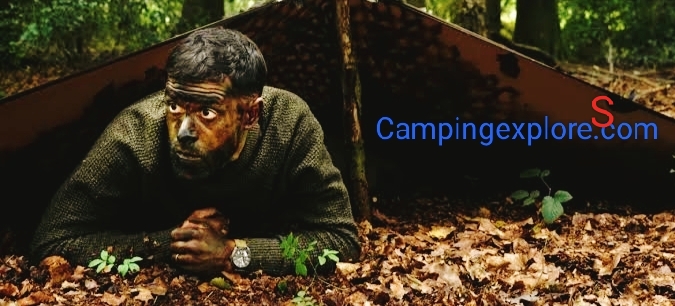
Stealth camping has become increasingly popular among outdoor enthusiasts, budget travelers, and adventurers seeking alternative overnight accommodations away from traditional campgrounds. This practice raises questions about legality, ethics, and whether “sneaking around” is an inherent requirement.
In this comprehensive guide, we’ll explore what stealth camping truly entails, dispel common misconceptions, and provide practical advice for those interested in this camping style while maintaining respect for both property and nature.
Stealth Camping Gear

GEERTOP Ultralight 1 Person Bivy Tent for Camp Waterproof Single Man Tent for Camping Hiking Backpacking Hunting Outdoor Survival Gear – Easy Set Up
GEERTOP Ultralight 1 Person Bivy Tent for Camp Waterproof Single Man Tent…
VIEW LATEST PRICE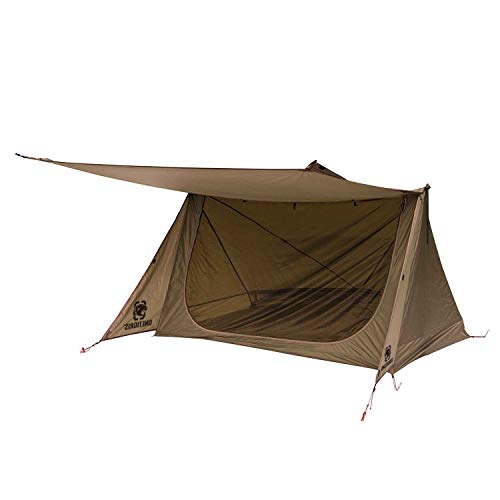
OneTigris Backwoods Bungalow Bushcraft Shelter 2.0, Ultralight Backpacking Tent with with Porch for Camping Hiking Backpacking Motorcycle Kayak Bushcrafters
OneTigris Backwoods Bungalow Bushcraft Shelter 2.0, Ultralight Backpacking Tent with with Porch…
VIEW LATEST PRICE
Sutekus Single Tent Camouflage Patterns Camping Tent One Person Tent for Camping Hiking 【Outdoor Equipment】
Sutekus Single Tent Camouflage Patterns Camping Tent One Person Tent for Camping…
VIEW LATEST PRICEWhat is stealth camping and why do people do it?

Definition and basics of stealth camping
Stealth camping refers to the practice of camping somewhere discreetly, typically outside designated campsites or campgrounds, with the intention of remaining undetected and leaving minimal evidence of your stay. Unlike traditional camping, stealth camping emphasizes inconspicuousness and minimal impact.
A stealth camper deliberately chooses locations and methods that reduce visibility to others, whether in natural settings or urban areas. This form of overnight camping isn’t about being secretive for nefarious reasons but rather about finding peaceful, free accommodation while respecting surroundings. Many who go stealth are simply seeking solitude away from crowded camping spots or alternatives when traditional options aren’t available.
The essence of stealth camping lies in its temporary, low-profile nature—arriving late, departing early, and leaving absolutely no trace of your presence.
Legal vs. illegal stealth camping scenarios
The legality of stealth camping varies dramatically based on location, making it essential for campers to understand camping laws before embarking on their journey. Dispersed camping on public land is often perfectly legal in many parts of the United States, particularly in National Forests where free camping is typically permitted outside developed campgrounds. However, camping in the UK follows different regulations, with the ‘right to roam’ in Scotland offering more freedom than in England and Wales where permission is generally required.
Urban stealth camping in parking lots, city streets, or other developed areas typically exists in a legal gray area—overnight parking may be permitted in some locations but actual camping might be prohibited. The distinction between simply sleeping in a vehicle versus setting up camp becomes important here.
To avoid illegal stealth camping, responsible campers should research local regulations, respect private property boundaries, and understand that while camping in the wild might be legal in some areas, it’s restricted in others. The key to legal stealth camping lies in thorough research and respecting posted regulations, rather than assuming you can simply pitch your tent anywhere.
Motivations behind choosing stealth camping

People turn to stealth camping for numerous compelling reasons. Economic considerations often top the list—camping for free appeals to travelers on tight budgets, from bicycle touring enthusiasts to van dwellers
The conventional campsite costs can add up significantly during extended trips, making free camping an attractive alternative. Beyond finances, many stealth campers seek an authentic connection with nature that’s difficult to achieve in crowded campgrounds. The desire for solitude and a more genuine wilderness experience drives these individuals to find secluded places to camp away from established facilities.
Others embrace stealth camping as part of a minimalist philosophy or a rejection of commercialized outdoor recreation. For long-distance travelers, stealth camping provides flexibility—there’s no need to reach a designated campground before they close or make reservations. Adventure seekers appreciate the self-reliance and problem-solving aspects of finding suitable camping spots independently.
Some urban stealth campers are digital nomads or temporary workers who need affordable accommodations in expensive areas. Regardless of motivation, most responsible stealth campers share a common commitment to leaving no trace and respecting the environments they temporarily inhabit.
Is sneaking around actually necessary for successful stealth camping?
The misconception of “sneaking” vs. being discreet
The term “stealth camping” unfortunately conjures images of people sneaking around in the dark, behaving suspiciously as they attempt to camp undetected.
This misconception misrepresents what responsible stealth camping actually entails. In reality, successful stealth camping isn’t about furtive movement or suspicious behavior but rather about practicing discretion and mindfulness. Being stealthy doesn’t mean you’re doing something wrong; it simply means you’re minimizing your impact and visibility. Instead of sneaking around, experienced stealth campers focus on being inconspicuous through thoughtful planning and considerate execution.
They arrive at their chosen location without drawing attention, set up efficiently, and maintain a low profile throughout their stay. The goal isn’t deception but rather non-disturbance—you’re not trying to hide illegal activity but simply seeking a peaceful overnight experience that doesn’t interfere with others.
This distinction between sneaking and discretion is crucial for the stealth camping community, as it highlights the difference between responsible free camping and trespassing. A mature approach to stealth camping acknowledges that while you want to remain relatively unnoticed, your actions should remain ethical and defensible if you are discovered.
Balancing respect for surroundings with personal safety
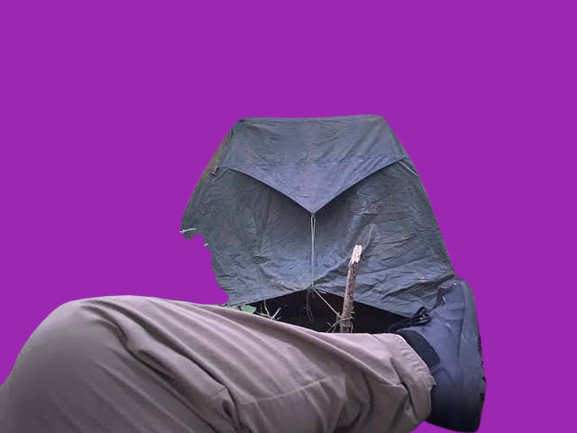
Successful stealth camping requires striking a delicate balance between remaining inconspicuous and ensuring your personal safety. While the desire to be undetected might tempt some campers to choose extremely isolated or hidden locations, these same attributes that make a spot stealthy might also compromise safety. Responsible stealth campers prioritize locations that offer both discretion and security.
This might mean choosing a spot that’s visually screened from trails or roads by natural features, yet still accessible in case of emergency. When camping in the wild, maintaining awareness of environmental hazards like unstable trees, flash flood zones, or wildlife corridors is essential. In urban areas, the safest approach often means selecting spots with some passive surveillance—areas that aren’t completely isolated but still provide privacy. The balance extends to your camping setup as well.
While camouflage gear might seem ideal for remaining undetected, overly concealed camps can create suspicion if discovered. Instead, many experienced stealth campers opt for equipment in muted, natural colors that blend with surroundings without appearing deliberately hidden. The best approach combines common sense, situational awareness, and respect for both property and natural surroundings, ensuring your camping trip remains both discreet and safe.
When stealth is truly required vs. when it’s not
The level of stealth necessary varies significantly depending on your camping context. In some scenarios, intense efforts to remain undetected are warranted, while in others, a more relaxed approach is appropriate.
True stealth is most critical when camping in urban areas where overnight camping isn’t explicitly permitted. In these environments, campers in vehicles need to be particularly discreet, avoiding obvious signs of overnight occupation like condensation-covered windows or cooking outside.
Similarly, when wild camping in countries with restrictive camping laws like England (outside of designated areas), maintaining a highly stealthy approach helps avoid confrontation. Conversely, when dispersed camping on public land where such practices are permitted, the need for extreme stealth diminishes significantly.
Here, “stealth” becomes more about minimizing your impact than avoiding detection. In these scenarios, campsite selection still matters, but more for ecological reasons than for concealment. The same applies to remote backcountry areas with permissive camping regulations—being discreet shows respect for other wilderness users but isn’t necessarily required by law.
Understanding this spectrum helps stealth campers modulate their approach appropriately. The goal should be applying just enough stealth to respect regulations and other people’s experiences without becoming unnecessarily paranoid or disruptive to your own enjoyment of the outdoors.
What are the essential stealth camping tips for beginners?
Location selection and timing strategies
For newcomers to stealth camping, mastering location selection and timing is fundamental to a successful experience. When seeking places to camp, prioritize locations that offer natural screening—areas with vegetation barriers, slight depressions in the landscape, or positions behind natural features that break line-of-sight from trails and roads.
Timing your arrival and departure strategically is equally important; most experienced stealth campers recommend arriving at your chosen spot as dusk begins to set in. As it gets dark, your movements become less noticeable, and fewer people are typically outdoors observing. Similarly, preparing to leave early—often before or at sunrise—reduces the likelihood of interaction with others.
For urban stealth camping, particularly in a camper van or vehicle, parking among similar vehicles can help you blend in. Commercial areas often empty in the evening, making them potential overnight parking options, though always research local regulations first.
In natural areas, moving at least 200 feet from water sources and established trails not only follows Leave No Trace principles but also decreases your chances of unexpected encounters. Weather considerations also affect location selection—seeking natural windbreaks during breezy conditions not only improves comfort but reduces the sound of flapping tents that might draw attention.
Finally, have backup locations mapped out before your camping trip begins—if your first-choice spot doesn’t feel right or appears to be monitored, having alternatives prevents hasty decisions that might lead to poor location choices.
Equipment considerations for minimal visibility
Choosing appropriate gear significantly impacts your ability to remain inconspicuous while stealth camping. Your tent or shelter deserves particular attention—opt for designs in earth tones, dark greens, or browns rather than bright colors that stand out against natural backgrounds.
Some dedicated stealth campers prefer hammocks with rain flies rather than tents, as they present a smaller visual footprint and can be hung above ground level, making them less noticeable from a distance. Your sleeping bag should also follow the low-visibility principle, avoiding bright patterns or reflective materials that might catch a flashlight beam.
Consider a bivvy bag for extremely stealthy overnights, as these low-profile shelters barely rise above ground level. Light discipline represents another critical aspect of stealth camping equipment planning—headlamps with red light modes preserve night vision while remaining less visible from a distance. Some campers exclusively use red light after dark to minimize their visual signature.
If using a camper van for urban stealth camping, window coverings that appear neutral from outside while blocking interior light from escaping are invaluable. Sound-dampening is equally important—ensure your cooking equipment operates quietly, and consider how much noise your sleeping pad or other gear makes when in use.
Simplifying your setup speeds both deployment and breakdown, reducing the time you’re vulnerable to detection. While comprehensive camouflage isn’t necessary or appropriate in most contexts, thoughtfully selecting gear that naturally blends into your environment makes stealth camping more effective and less stressful.
Leave No Trace principles for responsible stealth camping
Leave No Trace principles form the ethical foundation of responsible stealth camping, turning what could be a problematic practice into a sustainable approach to outdoor recreation. The core concept—that visitors should leave campsites and natural areas exactly as they found them or in better condition—is particularly relevant for stealth campers who operate outside established facilities.
Practically, this means packing out absolutely all waste, including seemingly biodegradable items like food scraps. When nature calls, follow proper waste disposal techniques appropriate to your environment—in backcountry areas, this typically means digging catholes at least 6-8 inches deep and 200 feet from water sources.
Fire management requires special consideration; many stealth campers avoid fires entirely, as smoke and light can reveal your position while leaving lasting impact on the landscape. If cooking is necessary, use low-profile stoves with minimal light signatures. Be extremely careful about site selection, avoiding fragile vegetation or creating new camping spots where none existed before.
This often means seeking previously impacted areas rather than pristine spaces. When you depart, spend time restoring your site—replace any moved stones or branches, fluff compressed vegetation, and sweep away footprints where possible.
This commitment to leaving no trace serves multiple purposes: it preserves natural areas for future enjoyment, respects other users’ experiences, and helps maintain public access to areas where irresponsible camping could lead to restrictions. For stealth campers especially, practicing these principles is not just ethical but practical—a truly no-trace campsite is also one that’s unlikely to draw complaints or lead to camping restrictions.
How does stealth camping differ from traditional wild camping?
Comparing stealth camping with established wild camping practices
While stealth camping and wild camping share similarities, they represent distinct approaches to overnight outdoor stays. Wild camping traditionally refers to camping in the wild, remote areas away from established facilities, but often in regions where such practices are culturally accepted or legally permitted. Stealth camping, by contrast, emphasizes remaining undetected regardless of setting, and may occur in areas where camping isn’t explicitly allowed.
The philosophical underpinnings differ as well—wild camping celebrates connection with wilderness and often involves longer stays, while stealth camping prioritizes minimal presence and typically involves single-night occupancy.
In practice, wild campers might select picturesque locations with views or convenient water access, while stealth campers prioritize concealment and inconspicuousness over scenic value. Social aspects diverge significantly; wild camping or traditional backcountry camping often accommodates groups and might include communal activities like campfires, whereas stealth camping works best with individuals or very small parties maintaining minimal noise and visual presence.
Wild campers typically follow established backcountry protocols but might not be concerned about visibility, while stealth campers develop specialized techniques to avoid detection, such as arriving late, departing early, and eliminating all evidence of their stay.
The relationship with authorities differs too—wild camping in appropriate areas requires no hiding from rangers or law enforcement, while stealth camping often necessitates avoiding interaction with officials, even when practiced responsibly. These distinctions matter not just conceptually but practically, as they inform different skill sets, equipment choices, and location preferences.
Legal distinctions between stealth camping and wild camping
The legal frameworks surrounding stealth camping and wild camping vary significantly across jurisdictions, creating important distinctions adventurers should understand. In Scotland, the ‘right to roam’ legislation explicitly permits wild camping across most unenclosed lands, making it fully legal when practiced responsibly.
This contrasts sharply with England and Wales, where wild camping generally requires landowner permission except in specific areas like parts of Dartmoor. Dispersed camping on public land in countries like the United States occupies a different legal position—it’s often officially permitted in national forests and Bureau of Land Management territories, making it neither “stealth” nor technically “wild” camping, but rather a recognized form of recreation with specific guidelines.
Stealth camping, by definition, often operates in legal gray areas or places where camping isn’t formally sanctioned, such as urban areas, roadside locations, or parks with “no camping” regulations. Even when stealth camping occurs where camping is prohibited, enforcement priorities and local attitudes create significant variations in practical consequences. In many regions, respectful, low-impact overnight stays that don’t create disturbances receive minimal enforcement attention, even if technically against regulations.
The distinction becomes particularly important for travelers crossing multiple jurisdictions—what constitutes acceptable wild camping in one area might require stealth techniques in another. Additionally, the legal status of vehicle-based camping differs markedly from tent camping in many locations, with overnight parking sometimes permitted while setting up camp outside the vehicle is prohibited. Navigating these complex legal distinctions requires research and adaptive approaches depending on your specific location and camping circumstances.
Equipment needs: wild camping vs. stealth camping setups
The equipment requirements for wild camping versus stealth camping reflect their different priorities and contexts. Traditional wild camping setups often include more comprehensive and comfort-oriented gear, as they typically occur in remote areas where detection isn’t a primary concern.
These might include larger tents, camp chairs, table setups, and even portable shower systems for extended stays. Visibility isn’t a major concern, so bright-colored equipment designed for safety and easy location (like orange or yellow tents) is common. By contrast, stealth camping demands specialized equipment focused on low visibility and rapid deployment.
Tents in muted colors or specialized bivy sacks that present minimal profiles make ideal shelters for the stealth camper. Some stealth campers prefer hammock systems that keep them above ground level and present smaller visual signatures from a distance.
Cooking equipment also differs significantly—wild campers might use larger stoves or even campfires where permitted, while stealth campers typically rely on small, silent stoves with minimal light signatures or even cold meals to avoid detection. Lighting solutions diverge as well, with stealth campers favoring red lights that preserve night vision while remaining less visible from a distance.
For urban stealth camping in vehicles, specialized equipment like window coverings that appear neutral from outside while blocking interior light becomes essential. Storage systems differ too—wild campers might organize gear for extended stays and comfort, while stealth campers prioritize systems that allow quick packing and unpacking to minimize exposed equipment time.
These equipment distinctions highlight how the different camping philosophies manifest in practical gear choices and campsite management.
What are the best places for legal stealth camping?
Public land options for legitimate stealth camping
Public lands offer some of the best opportunities for legitimate, low-conflict stealth camping experiences. In the United States, national forests and Bureau of Land Management (BLM) lands typically permit dispersed camping, allowing campers to stay for free outside of developed campgrounds, usually with 14-day limits. These vast areas provide ample opportunity to find secluded camping spots away from others while remaining within legal boundaries. Forest service roads often lead to numerous suitable pullouts where vehicle-base
This article provides an insightful exploration of stealth camping, shedding light on both its appeal and responsibilities. It’s commendable how the piece balances the adventurous spirit of stealth camping with the importance of adhering to local regulations and ethical practices. As someone interested in alternative travel experiences, I appreciate the emphasis on leaving no trace and respecting nature. This comprehensive guide equips readers with valuable knowledge to enjoy a unique camping style responsibly.
I thoroughly enjoyed reading this article about stealth camping. It captures the essence of why many are drawn to this form of camping—freedom, solitude, and a deeper connection with nature. The information on legal considerations is particularly useful, ensuring that enthusiasts can enjoy their adventures while staying on the right side of the law. It’s refreshing to see a discussion that highlights both the thrill and the need for mindfulness in such pursuits.
What an enlightening article! Stealth camping offers such a unique way to connect with nature while being mindful of our impact on the environment. It’s fascinating to learn how campers can responsibly enjoy the serenity of the outdoors without leaving a trace. The emphasis on legality and ethics really highlights the importance of respecting both public and private lands. This guide is an invaluable resource for anyone considering this adventurous style of camping.
What a fascinating read! The article beautifully demystifies stealth camping, portraying it as a thoughtful, respectful way to enjoy the great outdoors. It’s interesting to learn how this practice blends adventure with responsibility, encouraging campers to be both discreet and considerate. The tips on balancing personal safety with minimal impact are particularly enlightening. It’s a great reminder of how important it is to harmonize our outdoor activities with the environment we cherish.
This article does a fantastic job of demystifying the concept of stealth camping. The distinction between sneaking and discretion is particularly insightful, as it emphasizes a respectful and lawful approach to this form of camping. It’s wonderful to see a guide that not only addresses the legalities but also promotes a deep respect for nature. As someone interested in exploring more sustainable travel options, I found this guide both educational and motivating.
I truly appreciate the thoughtful exploration of stealth camping in this article. It’s refreshing to see a focus on blending adventure with conscientious camping practices. The detailed advice on location selection and minimal visibility gear provides practical insights that are both informative and inspiring. It’s clear that with the right approach, stealth camping can be a harmonious way to experience the great outdoors. Kudos to the author for shedding light on this intriguing topic!