

RV Disposal and Salvage Tools

DASBET 12V 60W Oil Change Pump Extractor, Oil/Diesel Fluid Pump Extractor Scavenge Suction Oil Change Pump Transfer Oil Removal Pump for Oil Change Tubes Truck Rv Boat ATV (Red)
DASBET 12V 60W Oil Change Pump Extractor, Oil/Diesel Fluid Pump Extractor Scavenge…

Amarine Made 12V 60W Oil Change Pump Extractor, Oil/Diesel Fluid Pump Extractor Scavenge Oil Change Pump Transfer Suction Transfer Pump with Tubes Truck Rv Boat ATV (Red)
Amarine Made 12V 60W Oil Change Pump Extractor, Oil/Diesel Fluid Pump Extractor…
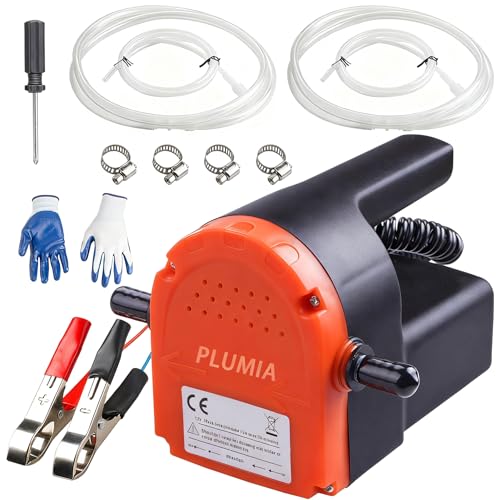
PLUMIA 12V 100W Oil Change Pump Extractor, Upgraded Oil/Diesel Fluid Extractor Scavenge Suction Transfer Pump, Marine Electric For Boat, Car, Motorcycle, ATV, RV, Truck, Motorbike
PLUMIA 12V 100W Oil Change Pump Extractor, Upgraded Oil/Diesel Fluid Extractor Scavenge…
Owning an RV or camper can provide years of adventure and memorable experiences as part of the rv life. However, when these recreational vehicles age beyond repair, they can quickly transform from cherished possessions into cumbersome eyesores.
Whether you’re dealing with rot, mechanical failures, or simply upgrading to a newer model, knowing how to properly dispose of an old rv is essential. This comprehensive guide explores Best effective strategies for rv disposal, helping you transition from burdened owner to freed-up space and peace of mind.
What are the best ways to get rid of an old RV that’s become an eyesore?
When facing the challenge of getting rid of a junk rv, several options exist depending on your vehicle’s condition and your personal preferences. The best ways to dispose of an rv that’s become an eyesore include selling it (even in poor condition), scrapping it for valuable materials, donating it to charitable organizations, recycling it responsibly, or hiring professional rv removal services.
Each method has its advantages, and the right choice depends on factors like your camper’s condition, your timeline, and whether you’re hoping to recoup some value. Before deciding how to get rid of the old rv, it’s worth exploring all available options to ensure you’re making the most financially and environmentally responsible choice.
Many owners are surprised to discover that even severely damaged old rvs and camper trailers retain some value, whether as a fixer-upper project for an enthusiast or as a source of scrap metal and usable parts.
Is selling my old camper trailer still an option?
Yes, selling is often still viable, even for old trailer units that may seem beyond repair to you. The resale market for used RVs remains robust, with many buyers specifically looking for project vehicles or affordable options to enter rv life. Platforms like Craigslist and Facebook Marketplace have made it easier than ever to connect with potential buyers interested in old camper restoration projects. When listing your old rv for sale, be transparent about its condition, including detailed photographs of any damage or mechanical issues.
Price it realistically based on comparable listings, accounting for age and condition. Remember that some buyers may be interested in your travel trailer or motorhome not for immediate use but for its salvageable components. Even if the RV itself isn’t roadworthy, the appliances, furnishings, and mechanical systems might still be usable parts for other RV owners. If you need to get rid of an old rv quickly, consider pricing it competitively or explicitly marketing it as a “project RV” or “for parts only” to attract the right buyers.
How to assess if my RV has any salvage value?
Determining the salvage value of your old rv requires a methodical assessment of its components and materials. Begin by evaluating the major systems: the engine and transmission in motorhomes, the frame, axles, and towing components in camper trailers. These often retain substantial value even when the RV itself is beyond repair.
Next, inspect all appliances, including refrigerators, stoves, microwaves, and air conditioning units. These components can be removed and sold individually, often fetching significant prices in the RV parts market. Aluminum siding, copper wiring, and other metals present in rvs have scrap metal value that fluctuates with market prices. To get an accurate estimate, contact multiple salvage yards specializing in rv salvage and request quotes based on your vehicle’s specifications.
Some salvage yards may offer more if you’re able to dismantle certain parts yourself before delivery. Even vehicles with salvage title status can yield value through this approach. Additionally, specialized items like solar panels, inverters, generators, and relatively new tires often retain high resale value and can be sold separately for more than you might receive by scrapping the entire unit. Understanding the current market for both scrap materials and used RV components will help ensure you maximize the value when disposing of your old camper.
What preparation is needed before disposing of an old RV?

Proper preparation before disposing of an old rv is crucial to maximize value and ensure environmental responsibility. Start by removing all personal belongings, as it’s surprisingly common for owners to overlook items stored in the many compartments of camper trailers and motorhomes. Next, drain and properly dispose of all fluids, including engine oil, transmission fluid, coolant, and waste from holding tanks.
This step is vital both for environmental protection and because many salvage yards and donation centers require fluid removal before acceptance. If you’re planning to sell usable parts before scrapping, create an inventory of potentially valuable components like the generator, appliances, batteries, and electronics. Clean these items thoroughly to increase their appeal to potential buyers. For paperwork, gather the title (or apply for a replacement if lost), registration documents, and maintenance records. If the RV has a lien, you’ll need to settle this before disposal.
Cancel your insurance once the disposal date is confirmed, but not before, as you remain liable for the vehicle until ownership is transferred. Consider taking photographs of the rv’s condition and the emptied interior as a record. Finally, if you’re donating or selling to private parties, removing your license plates is essential to prevent any future issues with toll charges or violations occurring after the transfer.
How can I scrap a camper trailer for the most value?
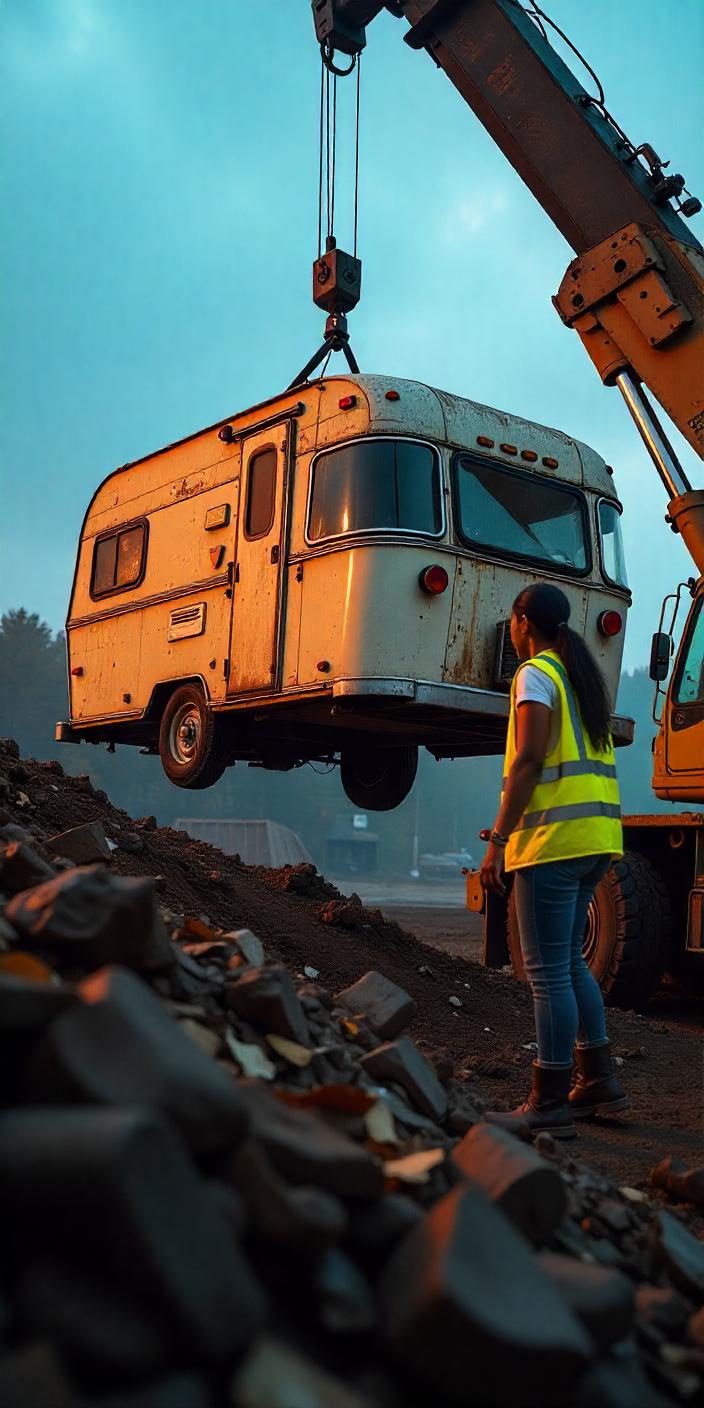
Scrapping a camper trailer effectively requires strategic planning to maximize financial return. To scrap a camper trailer for optimal value, begin by researching multiple scrap yards and rv salvage yards in your area, as prices can vary significantly. Some facilities specialize in rv salvage and may offer better rates than general scrapyards.
Call ahead to inquire about their specific requirements and current pricing for different materials. Consider whether partial dismantling might increase your returns – removing valuable metals like aluminum, copper, and steel separately can sometimes yield higher payments than scrapping the entire unit.
If your trailer contains working appliances, mechanical components, or specialized rv equipment in good condition, removing these items for separate sale through online marketplaces or rv enthusiast forums can substantially increase your overall return.
Timing can also impact value; scrap metal prices fluctuate seasonally and with market conditions, so monitoring these trends may help identify optimal timing for disposal. Some junk rv buyers like specialized salvage companies offer free towing services, which can save you considerable expense when getting rid of a junk camper. When negotiating with scrapyards, having knowledge of your trailer’s approximate metal weight and composition can strengthen your position. Remember that while scrapping might not yield as much as selling a functional unit, it provides a practical solution for campers that are truly beyond repair while still recovering some economic value.
Which parts of my old RV are most valuable for scrapping?
When scrapping an old rv, certain components consistently yield higher returns than others. The engine and transmission from motorhomes rank among the most valuable parts, especially if they’re still in working condition or repairable.
Aluminum components, which are prevalent in many rv and camper designs, command premium scrap metal prices compared to steel components due to aluminum’s higher market value and recyclability. Copper wiring throughout the electrical system is particularly valuable in the scrap market, with clean copper bringing substantial returns by weight. Appliances such as refrigerators, air conditioners, and generators often contain valuable metals and can be either scrapped or sold as working units if they remain functional.
Catalytic converters from motorhomes contain precious metals, making them surprisingly valuable despite their small size. Axles, hitches, and towing equipment from travel trailers are frequently sought after for their steel content and potential for reuse. Specialized rv components like leveling jacks, slide-out mechanisms, and power inverters may find buyers in the rv life community before considering them for scrap value. Even seemingly minor items like cabinet hardware, faucets, and propane tanks have value either as scrap or resale items.
By systematically identifying and separately processing these high-value components, you can significantly increase the total return when disposing of your junk camper, potentially turning what seemed like a financial burden into a more profitable recycling opportunity.
Should I dismantle the RV myself or take it to a scrap yard intact?
The decision to dismantle your rv yourself or deliver it intact to a scrapyard involves weighing several practical considerations. Self-dismantling typically yields higher financial returns because you can selectively remove high-value components and sell them separately, either to individual buyers or specialized salvage operations. This approach allows you to capitalize on items like appliances, electronics, and mechanical systems that retain functional value beyond their scrap metal content.
However, this path requires significant time investment, appropriate tools, mechanical knowledge, and space to perform the dismantle process safely. It also means handling potentially hazardous materials like propane systems, sewage connections, and vehicle fluids. Conversely, delivering your old camper or motorhome to a scrap yard intact offers convenience and immediacy. While the financial return may be lower, the simplicity of a single transaction without the labor of dismantling can be appealing.
Some scrapyards specializing in rv salvage may offer better rates than general facilities, recognizing the value in processing recreational vehicles themselves. If you lack mechanical expertise or appropriate workspace, the intact delivery option minimizes personal risk and potential property damage. Your decision should account for your personal skills, available time, storage space limitations, and need for immediate disposal. A compromise approach might involve removing only the most valuable or easily extractable components before delivering the remainder to a salvage yard, balancing effort with financial return when getting rid of your old rv.
How to find reputable RV salvage yards near me?
Locating reputable rv salvage yards requires research and due diligence to ensure fair treatment and appropriate environmental practices. Start your search by using industry-specific online directories that specialize in listing salvage yards with experience handling recreational vehicles. Websites and applications dedicated to auto recycling often have specialized sections for rv salvage resources.
Local RV dealerships and repair shops can provide valuable recommendations, as they frequently work with salvage operations when sourcing parts or disposing of trade-ins that are beyond repair. Online review platforms can offer insights into other RV owners’ experiences with specific salvage yards, highlighting those with fair pricing practices and professional service. RV owner forums and social media groups dedicated to rv life often maintain discussions about salvage options, with members sharing firsthand experiences about facilities they’ve used when scrapping or buying parts.
When contacting potential salvage yards, ask detailed questions about their process, including whether they offer free tow services, their methods for determining value, required paperwork, and their environmental compliance certifications. Reputable operations will be transparent about their practices and pricing structures. Verify that any salvage yard you’re considering is properly licensed by checking with your state’s regulatory agencies, as this ensures they follow environmental and safety regulations when processing junk rvs.
Additionally, obtain quotes from multiple yards to compare offers, as pricing can vary significantly based on each facility’s specialization and current inventory needs. The best rv salvage yards typically offer fair market value, convenient logistics for vehicle delivery, and proper environmental handling of potentially hazardous materials.
Can I donate my old RV instead of junking it?

Donating your old rv presents a compassionate alternative to scrapping that can benefit both charitable causes and potentially provide you with tax advantages. Many organizations accept RV donations, even vehicles that aren’t in perfect condition, as they can often restore modest issues or use the proceeds from salvaging to fund their missions.
When considering donation, first determine if your camper meets basic donation criteria – most organizations require that the rv has a clean title free of liens, though some will accept units with minor damage or mechanical issues. The donation process typically involves contacting the organization, completing ownership transfer paperwork, and arranging for pickup or delivery of your motorhome or travel trailer. Most legitimate charities will provide documentation for tax purposes, which can make donating financially advantageous compared to selling a low-value RV.
Beyond the major national charities, consider specialized organizations that might specifically use the RV itself rather than selling it, such as disaster relief agencies, wildlife conservation groups needing mobile field offices, or programs supporting housing-insecure populations. These organizations may find value in your camper even if it requires some repairs. The emotional satisfaction of knowing your recreational vehicle continues to serve others rather than ending up in a landfill or scrapyard provides an intangible benefit beyond financial considerations, making donation an appealing option for many RV owners looking to dispose of older units while supporting worthy causes.
Which organizations accept RV donations?
Numerous charitable organizations across the country welcome rv donations, each with different missions and capabilities for handling recreational vehicles. National organizations like Habitat for Humanity, Goodwill, and The Salvation Army often accept old camper donations, using them either directly in their programs or selling them to fund their charitable work.
Specialized charities like RVs for Veterans focus specifically on providing housing solutions for military veterans, while organizations supporting disaster relief efforts may use donated motorhomes as temporary housing or mobile command centers. Religious organizations and mission groups frequently accept travel trailer donations to support their outreach programs, sometimes using them for mobile ministry or housing for volunteers. Many educational institutions with automotive or technical programs welcome rv donations for hands-on training in repair and maintenance. Wildlife conservation organizations might repurpose campers as mobile research stations or staff accommodations in remote areas.
When considering where to donate, research each organization’s specific requirements regarding vehicle condition, as some have the resources to repair campers needing work while others accept only roadworthy units. Most legitimate charities will arrange for pickup if your rv isn’t drivable, though some may require you to deliver it to their facility. Always verify the organization’s nonprofit status and reputation before proceeding with donation, using charity watchdog websites to ensure they use donations responsibly.
Many donors find satisfaction in matching their RV with an organization whose mission aligns with their personal values, knowing their old camper will continue serving a meaningful purpose rather than becoming scrap metal.
What are the tax benefits of donating my old camper?
Donating your old rv can yield significant tax benefits that often make it financially advantageous compared to selling a low-value or problematic vehicle. When you donate a motorhome or camper trailer to a qualified 501(c)(3) charitable organization, you may be eligible to claim a tax deduction based on the vehicle’s fair market value. For donations valued over $500 (which includes most RVs), you’ll need to complete IRS Form 8283 and attach it to your tax return.
If the charity sells your rv without significantly using or improving it, your deduction is limited to the gross proceeds from the sale. However, if the organization uses the RV in its programs or makes substantial improvements before selling, you may deduct the full fair market value. For high-value donations (typically over $5,000), the IRS requires an independent appraisal to substantiate the claimed value. This appraisal must be conducted by a qualified professional familiar with recreational vehicles and completed no earlier than 60 days before the donation and no later than the due date for the tax return.
The donating organization should provide you with IRS Form 1098-C documenting the donation, which you’ll need for your tax records. The actual tax benefit depends on your tax bracket and whether you itemize deductions, so consulting with a tax professional before donation is advisable, especially for valuable RVs. Beyond federal tax benefits, some states offer additional deductions or credits for charitable vehicle donations. By properly documenting your donation and following IRS guidelines, you can transform an unwanted camper into a substantial tax advantage while supporting a cause you believe in.
How to ensure my donated RV goes to good use?
To ensure your donated rv makes a meaningful impact, taking several proactive steps before and during the donation process is essential. Begin by researching potential recipient organizations thoroughly, examining their financial transparency, program effectiveness, and specific plans for donated vehicles. Respected charity evaluation websites can provide insights into an organization’s efficiency in using donations.
Contact the charity directly to discuss exactly how they’ll use your motorhome or travel trailer – whether it will be used directly in their programs, refurbished and given to beneficiaries, or sold to fund their mission. Organizations that plan to use the RV itself rather than immediately converting it to cash may provide greater utility from your donation. Request detailed information about their donation process, including whether they offer free tow services for non-running vehicles and how they handle title transfer and tax documentation.
Consider local organizations where you might personally witness the impact of your donation or even establish an ongoing relationship with the beneficiaries. Before finalizing your donation, ensure your old camper is in the best possible condition within your means – simple repairs, thorough cleaning, and including operation manuals can significantly enhance its usefulness to the recipient. Remove personal items but consider leaving useful equipment specific to rv life. Get written confirmation of any specific requests or restrictions you have regarding the use of your donation.
Follow up after the donation to verify how your RV was ultimately used, which responsible organizations should willingly share. By taking these steps, you maximize the likelihood that your camper continues to serve a valuable purpose rather than becoming another salvage or landfill statistic, while ensuring the charitable tax benefits you receive reflect genuine social value created by your donation.
What are the environmental considerations when disposing of junk RVs?
Responsible disposal of junk rvs involves addressing significant environmental considerations to prevent pollution and waste. Recreational vehicles contain numerous potentially hazardous materials
What an insightful and timely article! As an RV enthusiast, it’s heartening to see such a comprehensive guide that helps owners navigate the often overwhelming process of parting with an old vehicle. The options laid out not only highlight the potential value in even the most rundown RVs but also advocate for environmentally responsible choices. This is a must-read for anyone considering their next steps with an aging camper. Bravo!
I really appreciated this article’s practical approach to RV disposal. It’s reassuring to know there are multiple avenues to explore beyond just scrapping an old camper. The suggestion to donate to charities is particularly inspiring; it not only helps others but also provides potential tax benefits. This piece is a great reminder that with a little effort, we can all make responsible choices that benefit our wallets and the environment.