

Fifth Wheel Towing Equipment

B&W Trailer Hitches Companion Fifth Wheel Hitch – RVK3500
B&W Trailer Hitches Companion Fifth Wheel Hitch – RVK3500
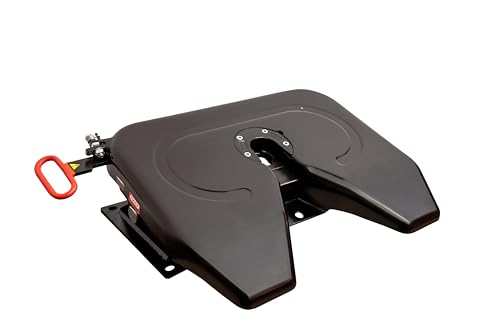
Fifth Wheel Hitch Plate Formed Steel 5th Wheel Hitch for cab and Chassis Flatbed Pickup Trucks 36000 lbs Towing Capacity for Ford F250 F350 F450 F550 Dodge Ram 2500 3500 4500 5500 GMC Chevrolet
Fifth Wheel Hitch Plate Formed Steel 5th Wheel Hitch for cab and…
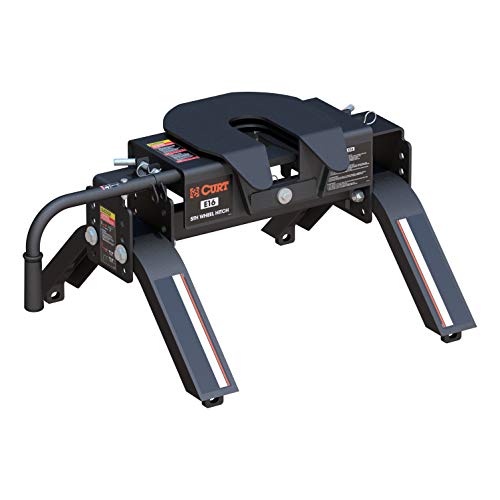
CURT 16115 E16 5th Wheel Hitch, 16,000 lbs
CURT 16115 E16 5th Wheel Hitch, 16,000 lbs
For anyone venturing into the RV life, understanding the weight considerations of your rig is crucial for safety, legal compliance, and vehicle longevity. Fifth in wheels represent a popular choice among experienced RVers, but their unique design and weight distribution require specialized knowledge.
This comprehensive guide breaks down everything you need to know about fifth wheel and trailer weights to ensure you’re towing safely and effectively.
What is the difference between a fifth wheel and a travel trailer?

The fundamental difference between a fifth wheel and a conventional travel trailer lies in how they connect to the tow vehicle. A fifth wheel hitch mounts in the bed of a pickup truck, with the front portion of the trailer extending over the truck bed. This design creates a bi-level living space that many RV enthusiasts prefer.
In contrast, a travel trailer (often called a bumper pull) connects to a standard hitch mounted at the rear of the tow vehicle. This distinction affects everything from stability to weight distribution and ultimately determines what type of truck you’ll need to pull a fifth wheel versus a travel trailer.
How fifth wheel hitches differ from conventional trailer hitches
A fifth wheel hitch consists of a large plate that resembles the coupling device used on semi-trucks. This plate attaches to rails mounted in the truck bed and features a jaw mechanism that locks around the kingpin located underneath the front overhang of the fifth wheel camper.
This configuration places the connection point directly over or slightly forward of the truck’s rear axle, creating a more integrated towing experience. Conventional trailer hitches, by comparison, mount to the frame at the rear of the tow vehicle, creating a pivot point that extends behind the tow vehicle’s wheelbase.
The fifth wheel hitch design provides greater stability because the trailer weight gets distributed more efficiently through the truck’s frame rather than leveraging the rear of the vehicle as with a bumper pull trailer.
Weight distribution benefits of fifth wheel design

One of the most significant advantages of the fifth wheel design is superior weight distribution. When properly hitched, approximately 20-25% of the total weight of the fifth wheel trailer transfers to the tow vehicle through the hitch.
This pin weight creates downward pressure directly over the truck’s rear axle, improving traction and reducing the likelihood of trailer sway. In a travel trailer setup, only about 10-15% of the trailer weight transfers to the tow vehicle through the hitch weight. This fundamental difference allows a truck to pull a fifth wheel that weighs more than a travel trailer it could safely tow with a conventional hitch.
The improved weight distribution also contributes to better braking performance since more of the trailer’s mass is effectively integrated with the towing vehicle’s chassis structure.
Stability and handling comparisons between fifth wheels and travel trailers
Fifth wheels offer superior stability and handling characteristics compared to travel trailers of similar size. The higher connection point of a wheel hitch significantly reduces trailer sway—that dangerous side-to-side movement that can occur during crosswinds or when passing large vehicles. The design creates a tighter turning radius despite the overall length, making fifth wheel campers easier to maneuver in some situations.
Travel trailers, with their behind-the-axle connection, are more susceptible to sway and require additional equipment like weight distribution hitches and sway control systems to improve stability. Many 5th wheel owners report that the driving experience feels more like the trailer and truck are a single unit, whereas travel trailers can feel more like a separate entity being dragged behind the tow vehicle. This improved handling is a major reason many RV enthusiasts upgrade from travel trailers to fifth wheels as they gain experience and confidence in the RV life.
How much does a typical fifth wheel trailer weigh?

Fifth wheel weights vary considerably based on size, construction materials, and features. Understanding the weight of your fifth wheel trailer is essential for safe towing, as exceeding your truck’s tow capacity can lead to dangerous situations on the road. Most fifth wheels have a significant weight profile compared to other RV types, reflecting their robust construction and extensive amenities.
Average weight ranges for different fifth wheel camper sizes
The weight of a fifth wheel camper correlates strongly with its length and number of slide-outs. Entry-level fifth wheels in the 24-28 foot range typically weigh between 7,000 and 9,000 pounds in dry weight. Mid-sized models from 28-35 feet generally range from 9,000 to 13,000 pounds. Luxury fifth wheel RVs that stretch beyond 35 feet can weigh anywhere from 13,000 to 20,000 pounds or more.
These larger models often feature multiple slide-outs, residential appliances, and premium construction materials that all add to the total weight. When shopping for a fifth wheel, remember that manufacturers typically advertise the dry weight, and the actual loaded weight will be substantially higher once you add cargo, supplies, and filled water tanks. Each slide-out can add 500-1,500 pounds to the trailer weight, and luxury appointments like fireplaces, residential refrigerators, and solid surface countertops significantly increase the weight that your truck must tow.
Understanding dry weight vs. loaded weight specifications
When evaluating fifth wheel weights, it’s crucial to distinguish between dry weight and loaded weight. The dry weight specification represents the weight of the fifth wheel camper as it leaves the factory—without fuel, water, propane, cargo, or aftermarket modifications. This figure can be misleading since your wheel camper will never actually weigh this little during real-world use.
The loaded weight, sometimes referred to as gross vehicle weight (GVW), represents the fifth wheel’s weight when ready for travel with all tanks, supplies, and cargo aboard. The difference between dry weight and loaded weight can be substantial—often 2,000-3,000 pounds or more. Smart 5th wheel owners plan for this disparity by calculating their cargo capacity (the difference between the fifth wheel’s GVWR and its dry weight) and ensuring their tow vehicle can handle not just the advertised weight spec but the actual weight they’ll be pulling. Water alone adds significant weight—a gallon weighs 8.34 pounds, so a 60-gallon freshwater tank adds nearly 500 pounds when full!
How to find the exact weight spec for your fifth wheel
To determine the actual weight of your fifth wheel trailer, you should visit a certified scale, ideally a commercial truck scale found at many truck stops. When you weigh your fifth wheel, you’ll want to have it loaded as you would for a typical trip to get an accurate measurement. The weight specification sticker located on your fifth wheel provides the manufacturer’s ratings, including the Gross Vehicle Weight Rating (GVWR), which is the maximum weight the trailer must never exceed.
However, these factory specs don’t reflect your unique loading situation. Some fifth wheel owners maintain a detailed spreadsheet of all items loaded into their camper to track weight. For the most accurate assessment, weigh your fifth wheel when it’s detached from your truck to get the total trailer weight, then weigh it while connected to determine how much weight transfers to your truck. The difference between these measurements reveals your actual pin weight, which is crucial for understanding how the weight affects your truck’s payload capacity.
What truck do I need to pull a fifth wheel safely?
Selecting the right truck to pull a fifth wheel represents one of the most critical decisions in the RV ownership process. Many eager RVers purchase a fifth wheel camper they love only to discover their current truck lacks the necessary capacity to tow it safely. This mismatch can lead to dangerous driving conditions, mechanical failures, and even legal liability.
Matching truck payload capacity to fifth wheel pin weight
The most overlooked specification when selecting a truck to tow a fifth wheel is payload capacity—not tow capacity. Payload capacity refers to the maximum weight the truck can carry in its cab and bed, including passengers, cargo, and crucially, the pin weight of the fifth wheel. Typically, 20-25% of your fifth wheel’s total weight transfers to your truck through the hitch as pin weight. For example, a 12,000-pound fifth wheel will place approximately 2,400-3,000 pounds of pin weight in your truck bed.
Your truck’s payload capacity must exceed this pin weight plus the weight of passengers, cargo, and the fifth wheel hitch itself. Many half-ton trucks advertise the ability to tow impressive weights, but their payload capacity may be insufficient for fifth wheel towing, making three-quarter-ton or one-ton trucks necessary for most fifth wheel owners. When manufacturers claim a truck can “tow 12,000 pounds,” this doesn’t necessarily mean it can safely handle a 12,000-pound fifth wheel due to the pin weight considerations.
Recommended trucks for different fifth wheel weight ratings
For smaller fifth wheels weighing under 8,000 pounds, a well-equipped three-quarter-ton truck (2500/250 series) with sufficient payload capacity may suffice. Most medium-sized fifth wheels between 8,000-12,000 pounds require at minimum a heavy-duty three-quarter-ton truck, though a one-ton truck (3500/350 series) provides more margin for safety. For fifth wheels exceeding 12,000 pounds, a dual-rear-wheel (dually) one-ton truck is strongly recommended to handle the substantial pin weight.
Truck configuration significantly impacts towing capability—the cab size affects payload (larger cabs reduce payload capacity due to their weight), and bed length matters for fifth wheel clearance during tight turns. Diesel engines generally offer better towing performance due to their torque characteristics, but they add weight that reduces payload capacity. Short-bed trucks require special sliding hitches or pin extenders to prevent the fifth wheel from contacting the cab during turns. When shopping for a truck to pull a fifth wheel, prioritize models with dedicated towing packages that include upgraded cooling systems, transmission capacity, and appropriate gear ratios.
Understanding truck specs needed for fifth wheel towing
Beyond payload and tow capacity, several other truck specifications affect fifth wheel towing capability. The Gross Combined Weight Rating (GCWR) indicates the maximum weight of the fully loaded truck and trailer combined. The truck’s Gross Vehicle Weight Rating (GVWR) represents the maximum weight the truck itself can weigh, including cargo, passengers, and pin weight. The Gross Axle Weight Rating (GAWR) for each axle must not be exceeded, with the rear axle rating being particularly important for fifth wheel towing since it bears most of the pin weight.
Engine power matters less than torque for towing performance—look for engines with high torque ratings at lower RPMs for optimal towing. Transmission cooling is critical, as is the truck’s braking capacity relative to the total weight being controlled. When evaluating a truck to tow a fifth wheel, review all these specifications rather than focusing solely on the advertised maximum tow rating.
Many 5th wheel owners discover that their truck’s actual towing capacity, when properly configured for their specific needs, may be significantly lower than the maximum rating advertised in sales brochures.
How do I calculate the correct hitch weight for my fifth wheel?
Proper weight distribution between your fifth wheel and tow vehicle is essential for safe towing. Understanding and managing hitch weight—also called pin weight for fifth wheels—ensures your rig handles predictably in all driving conditions.
Understanding pin weight vs. total trailer weight
The pin weight of a fifth wheel represents the portion of the trailer’s total weight that rests on the hitch in your truck bed. For most fifth wheel campers, the pin weight should ideally fall between 20-25% of the total trailer weight when properly loaded. This proportion creates optimal stability and handling characteristics. For example, if your fifth wheel weighs 15,000 pounds fully loaded, the pin weight should be approximately 3,000-3,750 pounds.
This weight directly impacts your truck’s payload capacity, as the pin weight counts against both your truck’s payload rating and its rear axle rating. Unlike conventional travel trailers, which typically transfer only 10-15% of their weight to the tow vehicle’s hitch, fifth wheels place more weight on the truck, requiring vehicles with robust payload capacities. The relationship between pin weight and total trailer weight is critical—too little pin weight can cause trailer instability and sway, while excessive pin weight can overload your truck’s rear axle and suspension, potentially causing steering problems, brake performance issues, and unsafe handling.
How to properly weigh your fifth wheel camper
To accurately determine your fifth wheel’s weight distribution, you’ll need to weigh your rig on a certified commercial scale, preferably a CAT scale found at many truck stops. The most comprehensive weighing process involves multiple measurements. First, weigh the truck alone without the fifth wheel attached. Next, weigh the truck and fifth wheel combined, with the fifth wheel properly hitched. Finally, if possible, weigh just the fifth wheel with its landing gear extended on the scale. These measurements allow you to calculate several critical figures: the total combined weight, the weight on each axle of your truck, the pin weight (by subtracting the truck-only weight from the combined weight), and the actual fifth wheel total weight. For the most accurate results, weigh your rig loaded as you would for a typical trip, including passengers, fuel, fresh water, propane, and cargo.
Many wheel owners are surprised to discover their actual weights significantly exceed the manufacturer’s specifications, sometimes by thousands of pounds. Regular weighing, especially after making significant changes to your cargo or equipment, helps ensure you remain within safe operating parameters.
Adjusting cargo distribution to optimize hitch weight
The distribution of cargo within your fifth wheel dramatically affects the pin weight and overall towing characteristics. The general rule for loading a fifth wheel camper is to position heavier items low and centered over the axles, with weight distributed evenly from side to side.
Avoid placing heavy cargo in the front of the fifth wheel, as this increases pin weight and can overload your truck’s payload capacity. Similarly, loading too much weight behind the trailer axles reduces pin weight, potentially creating dangerous instability. Some fifth wheel owners need to add the weight of certain items toward the rear to reduce excessive pin weight, particularly with front kitchen or front living room floor plans that naturally place more weight forward. Water weight can be strategically managed—traveling with partially filled fresh water tanks and empty waste tanks helps control weight distribution.
When adjusting cargo distribution, small changes can have significant effects on handling. After any major redistribution of weight, re-weighing your rig is advisable to confirm you’ve achieved the desired pin weight percentage. Remember that slide-outs, especially those containing heavy furniture or appliances, affect weight distribution when extended versus retracted, so weigh your fifth wheel in trave upl configuration.
What are the most common weight rating terms fifth wheel owners need to understand?
Successfully navigating the world of fifth wheel towing requires familiarity with a specialized vocabulary of weight ratings and capacities. Many new RV owners find these terms confusing, but understanding them is essential for safe and legal towing.
GVWR, payload capacity, and axle ratings explained
The Gross Vehicle Weight Rating (GVWR) represents the maximum weight a vehicle or trailer must never exceed, including all cargo, fluids, passengers, and the vehicle/trailer itself. For fifth wheels, the GVWR indicates the maximum allowable weight when fully loaded. Payload capacity refers to how much weight can be added to the empty vehicle or trailer—it’s calculated by subtracting the vehicle’s empty weight from its GVWR. For trucks, payload capacity must exceed the fifth wheel’s pin weight plus passengers and cargo. For fifth wheel campers, payload capacity indicates how much gear, supplies, and liquids you can add beyond the trailer’s empty weight. Gross Axle Weight Rating (GAWR) specifies the maximum weight each axle can support. In fifth wheel towing, the truck’s rear axle rating is particularly critical since it bears most of the pin weight.
The fifth wheel’s axle ratings are also important and must not be exceeded to prevent tire failures or suspension damage. Exceeding any of these ratings compromises safety and may void insurance coverage or warranties. Fifth wheel owners should understand that manufacturers often provide conservative estimates, and RV builders typically design fifth wheel campers with weight ratings that provide some margin of safety beyond the absolute structural limits.
Understanding gross combined weight rating for truck and trailer
The Gross Combined Weight Rating (GCWR) represents the maximum allowable weight of your fully loaded truck and fifth wheel together, including all passengers, cargo, fuel, and supplies. This rating is determined by the tow vehicle manufacturer based on the vehicle’s engine, transmission, cooling system, brakes, and frame design. The GCWR must never be exceeded, regardless of individual vehicle and trailer ratings.
For example, a truck might have a GCWR of 25,000 pounds. If the truck itself weighs 8,000 pounds fully loaded with passengers and cargo, the maximum trailer weight you could tow would be 17,000 pounds, even if the truck’s advertised tow capacity is higher.