

Introduction
Knowing survival skills is essential for anyone exploring the outdoors. During a camping trip, the excitement of adventure can quickly turn into a serious situation if you get lost. Understanding key techniques and information can make a huge difference in these situations.
Common reasons why campers get lost
Here are some common reasons why campers might find themselves lost:
Camping Survival Gear
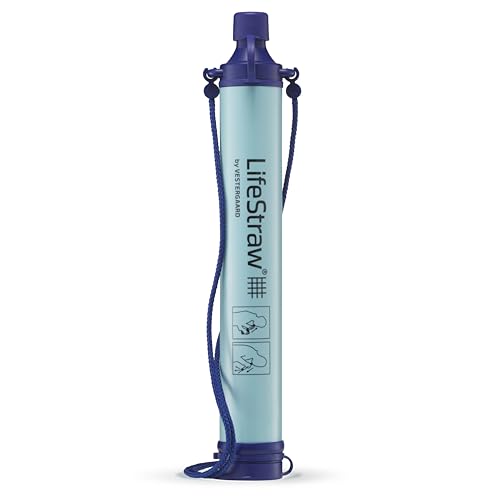
LifeStraw Personal Water Purifier for Hiking, Camping, Travel, and Emergency Preparedness
LifeStraw Personal Water Purifier for Hiking, Camping, Travel, and Emergency Preparedness
VIEW LATEST PRICE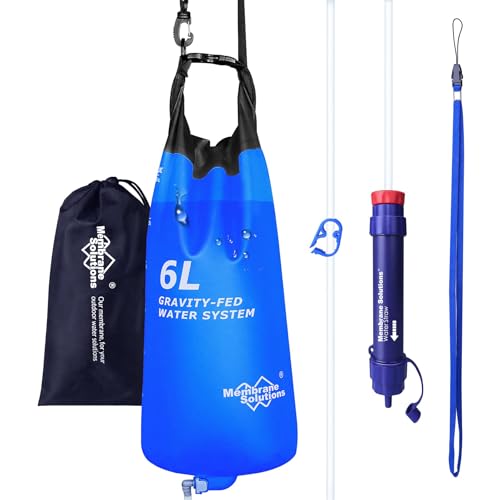
Membrane Solutions Gravity Water Filter Pro 6L, NSF/ANSI 42&372&401 Certified, 0.1 μm Versatile Water Purifier Camping with Adjustable Tree Strap Storage Bag, Survival Gear for Emergency Preparedness
Membrane Solutions Gravity Water Filter Pro 6L, NSF/ANSI 42&372&401 Certified, 0.1 μm…
VIEW LATEST PRICE
Gravity Water Filtration System – 2 High Capacity Lightweight Hanging Bags for Backpacking, Camping, Survival, Hiking, Hunting – Dirty, Clean Water Bags, Water Filter and Cleaning Plunger Included
Gravity Water Filtration System – 2 High Capacity Lightweight Hanging Bags for…
VIEW LATEST PRICE- Varied lIntroductionKnowing survival skills is essential for anyone exploring the outdoors. During a camping trip, the excitement of adventure can quickly turn into a serious situation if you get lost. Understanding key techniques and information can ma andscapes: Thick forests, mountains, or unfamiliar areas can easily confuse even experienced campers.
- Limited visibility: Fog, rain, or darkness can hide trails and landmarks.
- Distraction: Being captivated by nature’s beauty may cause you to wander off marked paths.
The importance of outdoor safety cannot be emphasized enough. Knowing how to react if you become lost is crucial for your well-being. Preparing for unexpected events increases your chances of returning home safely. By learning practical skills and bringing the right equipment, you can greatly reduce risks. Highlighting these aspects not only empowers you but also promotes a culture of safety among other adventurers.
Understanding the Risks of Getting Lost While Camping
Understanding the risks associated with getting lost while camping is crucial for outdoor safety. Familiarizing yourself with common causes can help mitigate potential dangers. This includes recognizing factors such as poor navigation skills, unpredictable weather, or inadequate preparation, all of which can leave campers vulnerable in unfamiliar terrain. By planning ahead and equipping yourself with essential tools like maps, compasses, and emergency supplies, you can significantly reduce these risks. Embracing the transformative power of camping means not only connecting with nature but also developing self-reliance and resilience, turning potential challenges into opportunities for growth.
Common Causes of Campers Getting Lost:
- Poor Navigation Skills: Many campers underestimate the importance of navigation tools, leading to disorientation.
- Trail Conditions: Changing weather or trail conditions can obscure paths and create confusion.
- Inadequate Planning: Failing to inform someone about your route or timeline increases vulnerability.
Statistics emphasize the urgency of this issue. Research indicates that approximately 1 in 10 day hikers will encounter a situation where they feel lost. Trail wandering accounts for a significant percentage of search and rescue operations, showing that even experienced campers can misjudge their surroundings.
Preparation plays a vital role in preventing such situations. Key considerations include:
- Researching Your Destination: Understand terrain, possible hazards, and local wildlife.
- Creating a Detailed Trip Plan: Share this plan with a trusted friend or family member.
- Packing Essential Gear: Carry navigation tools like maps and compasses, along with an emergency survival kit.
Being proactive enhances your chances of enjoying a safe and successful adventure in the great outdoors.
Essential Preparation Before Your Trip
Preparation is key to a successful camping experience. A well-planned trip can significantly reduce the chances of getting lost. Here are some essential steps to take before you head out into the wilderness.
Creating a Detailed Trip Plan
- Route Mapping: Outline your intended route, including landmarks and potential hazards. Use reliable maps or GPS devices.
- Time Frames: Estimate how long each segment of your hike will take, allowing for breaks and unexpected delays.
- Emergency Contacts: Identify trusted individuals who can monitor your trip’s progress and act if you do not return as planned.
Importance of Informing Friends/Family About Your Itinerary
Always let someone know where you are going and when you plan to return. This information is crucial for search and rescue teams if something goes wrong. Share:
- Specific Locations: Include campsites, trails, and any alternative routes.
- Expected Return Time: Indicate when you will check in with them.
Essential Items to Include in an Emergency Kit
A well-stocked emergency kit can be a lifesaver in critical situations. Consider including the following items in your emergency kit:
- Water Purification Supplies: Waterborne illnesses can be life-threatening. Carry purification tablets or a portable filter.
- Non-perishable Food: High-energy snacks like granola bars, nuts, or dehydrated meals are essential.
- Flashlight with Extra Batteries: A reliable light source enables navigation after dark and signaling for help.
Packing Your Survival Kit
Creating a survival kit tailored to your needs is vital. Here’s what to pack:
- Multi-tool or Knife: Useful for various tasks, from food preparation to shelter building.
- Emergency Blanket: Lightweight and compact, it helps maintain body heat in cold conditions.
- First Aid Kit: A comprehensive first aid kit should include:
- Bandages
- Antiseptic wipes
- Pain relievers
- Any personal medications
The importance of having these supplies cannot be overstated. Being prepared increases your confidence and ability to handle emergencies effectively.
Prioritize preparation before venturing into nature. By creating a detailed trip plan, informing others about your itinerary, and packing an appropriate survival kit, you enhance your safety and enjoyment while camping.
What to Do If You Get Lost
Signaling for Help
When you find yourself in a situation where you are lost while camping, staying calm is crucial. Panic can cloud your judgment and lead to poor decision-making. Focus on effective methods for attracting attention to increase your chances of rescue.
Effective Methods for Attracting Attention
- Whistles: A whistle is a lightweight tool that can produce a loud sound, making it easier for rescuers to locate you. Use three short blasts, which is the universal signal for distress. This method conserves energy compared to shouting.
- Mirrors: If you have a reflective surface, such as a compact mirror or metal object, use it to signal. Sunlight reflection can be seen from great distances. Aim the reflection towards searchers or aircraft by rotating the mirror until the light reaches them.
Creating Visible Signals
Visibility plays an essential role in signaling for help. Utilize bright clothing, natural materials, and even smoke from fires.
- Bright Clothing: If you have brightly colored clothing, wear it prominently. This increases your visibility against the natural backdrop of trees and earth tones.
- Signal Fire: Constructing a signal fire should be done safely. Use green branches or leaves to create more smoke, which can be seen from afar. Ensure that the fire is manageable and does not spread uncontrollably.
- Ground Signals: Create large symbols on the ground using rocks or fallen branches. The universally recognized “SOS” signal (three dots, three dashes, three dots) can be effective in attracting attention from aerial searches.
- Large Shapes: Lay out bright materials in shapes that are easily recognizable from above. A large triangle or X can convey distress and help guide rescuers toward your location.
Additional Tips for Signaling
- Stay in open areas whenever possible to improve visibility.
- Always carry essential signaling items as part of your survival kit like whistles and mirrors.
- Maintain your signaling efforts consistently; don’t hesitate to repeat your signals at intervals if you suspect rescue efforts are nearby.
Implementing these signaling techniques increases your chances of being located quickly while ensuring that you remain calm when lost in the wilderness. Keeping these strategies in mind could make all the difference in your survival experience while camping.
Navigation Techniques When Lost
When you realize you are lost while camping, immediate actions are crucial. Staying calm and staying put can prevent poor decision-making that often arises from panic. Here are essential navigation techniques to consider:
1. Basic Navigation Skills
Familiarize yourself with using a map and compass before your trip. Understanding how to read topographical maps and identify landmarks can help you orient yourself in unfamiliar territory. If you have a compass, remember the following:
- Align the compass with the map.
- Identify your current location and planned route.
2. Natural Features
Utilizing natural features such as rivers and streams can guide you back to civilization. Moving downstream often leads to populated areas where assistance is more likely available.
3. Landmarks
Use identifiable landmarks visible on the map to navigate. This technique helps establish your position and direction of travel.
4. Stay Visible
If lost, find open areas where searchers can easily spot you. Creating large signals such as SOS signs with rocks or branches increases visibility.
Focusing on these navigation techniques enhances your chances of finding your way back safely while maintaining composure during stressful situations enhances decision-making abilities. Understanding these skills becomes vital for any outdoor enthusiast preparing for a camping adventure.
Survival Skills for Camping Situations
Building a Shelter in the Wild
Constructing a temporary shelter in the wilderness is an essential survival skill. When lost, exposure to the elements can quickly lead to life-threatening conditions. Knowing how to create a suitable shelter using available materials not only protects you from harsh weather but also helps maintain body heat.
Methods for Constructing a Temporary Shelter
- Lean-To Shelter
- Locate two sturdy trees about 3-4 feet apart.
- Use long branches or logs as the main support, leaning them against the trees at an angle.
- Cover the lean-to with smaller branches, leaves, and foliage for insulation and protection from rain.
- Debris Hut
- Find a strong branch and prop it up between two trees to form a ridgepole.
- Place smaller sticks on either side of the ridgepole to create a framework.
- Pile debris like leaves, pine needles, or grass over the framework to provide insulation.
- A-Frame Shelter
- Use two vertical supports and connect them at the top with a horizontal beam.
- Create an A-frame structure by placing horizontal branches across both sides.
- Add layers of leaves and foliage to insulate effectively.
Each method serves well depending on your surroundings and available materials. Take time to ensure that your shelter is secure and well-insulated.
Importance of Maintaining Body Heat and Preventing Hypothermia
Staying warm in the wilderness is crucial for survival. Hypothermia can set in even in mild weather if you are wet or exposed to wind. Here are some strategies:
- Insulation: Use natural materials like leaves, pine needles, or dry grass inside your shelter for added warmth. The more layers you have, the better insulated you will be.
- Positioning: Build your shelter away from direct wind paths. Positioning it near natural barriers like hills or dense trees can shield you from cold winds.
- Fire Safety: If conditions allow, build a fire outside your shelter but close enough to benefit from its heat. Always maintain safety protocols when managing fire in the wilderness.
Understanding how to construct various shelters enhances your ability to adapt under challenging circumstances. Master these skills before embarking on your camping adventure for a safer experience in nature’s unpredictability.
Fire Making Techniques
Fire is one of the most essential survival skills in the wilderness. It provides warmth, allows you to cook food, and serves as a signal for help. Mastering fire-making techniques can significantly enhance your chances of survival when lost while camping.
Methods for Starting a Fire
- Flint and Steel: Striking steel against flint creates sparks that ignite tinder. This method requires practice but is highly effective.
- Friction: Using a bow drill or hand drill technique can generate heat through friction, leading to an ember that can be transferred to tender materials.
- Fire Starter Kits: Carrying waterproof matches, lighters, or fire starter blocks simplifies the process.
Safety Tips for Maintaining a Fire
- Choose a Safe Location: Clear away debris and set up your fire at least 10 feet from your shelter and any flammable materials.
- Control the Flames: Keep your fire manageable; large fires can be difficult to control and may spread unintentionally.
- Extinguish Properly: Use water or dirt to fully extinguish the fire before leaving the site. Ensure it’s cold to the touch.
Understanding these fire-making techniques, along with other critical survival skills such as shelter building and basic wilderness first aid, equips you with tools necessary for staying warm in the wilderness and ensuring safety until help arrives.
Water Purification Methods
Access to clean water is critical for survival in the wilderness. Understanding various techniques to purify water found in nature can mean the difference between life and death. Here are essential methods:
1. Boiling
This is one of the simplest and most effective ways to kill pathogens. Bring water to a rolling boil for at least one minute, longer at higher elevations.
2. Filtration
Portable water filters can remove bacteria and protozoa. Some advanced filters also eliminate viruses. Ensure the filter is appropriate for your needs.
3. Chemical Treatment
Using iodine or chlorine tablets can disinfect water. Follow the instructions carefully, allowing adequate time for the chemicals to work.
Hydration plays a vital role in maintaining body functions, especially when lost in the wilderness. Dehydration can impair cognitive abilities, making it harder to think clearly or make sound decisions.
To stay hydrated:
- Drink small amounts regularly.
- Monitor your urine color; light yellow indicates proper hydration.
Incorporating these techniques into your skill set enhances your preparedness for any camping adventure. Remember that effective survival skills extend beyond just water purification; they include shelter building and fire making, which are equally crucial for staying warm and protected in the wilderness.
Maintaining Morale and Mental Fortitude
When lost in the wilderness, keeping a positive mindset becomes crucial. Here are some psychological strategies to help cope with this stressful situation:
- Visualize Rescue: Picture yourself being found by rescuers. This mental imagery can foster hope and motivate you to stay alert.
- Focus on Breath: Taking deep breaths helps calm your mind and body, reducing panic. A steady breath can clear your thoughts, enabling better decision-making.
The role of hope cannot be underestimated. Maintaining optimism enhances your survival chances significantly. Consider these key points:
- Set Small Goals: Establish achievable tasks, such as finding water or creating a signal fire. Completing these tasks boosts confidence.
- Talk to Yourself: Use positive affirmations. Reminding yourself of your skills and capabilities can shift your mindset from despair to determination.
Staying calm when lost is essential for making rational choices. A clear mind allows you to assess your surroundings effectively and create a plan for survival. By integrating these strategies into your mindset, you enhance not just your resilience but also your likelihood of rescue.
Conclusion
Understanding outdoor survival tips is essential for any camping trip. Practicing these skills enhances your readiness and confidence in emergencies. Focus on:
- Familiarizing yourself with navigation tools
- Assembling a comprehensive survival kit
- Regularly practicing shelter-building techniques