

When the power goes out, or you’re craving a warm meal in a tiny apartment without a kitchen, the idea of firing up a camping stove indoors might seem tempting. After all, these portable devices are designed for convenience and efficiency in the great outdoors.
But before you light that burner inside your living room, it’s critical to understand the risks—and why experts overwhelmingly advise against it.
Indoor Cooking Safety & Alternatives
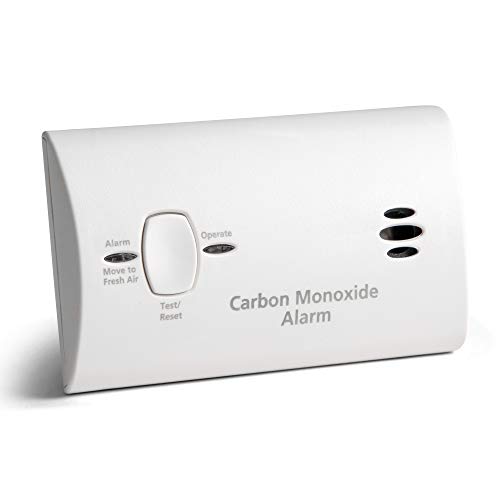
Kidde Carbon Monoxide Detector, AA Battery Powered, Portable for Travel or Home, 85 dB Alarm, LED Status Indicators, 3rd Edition
Kidde Carbon Monoxide Detector, AA Battery Powered, Portable for Travel or Home,…
VIEW LATEST PRICE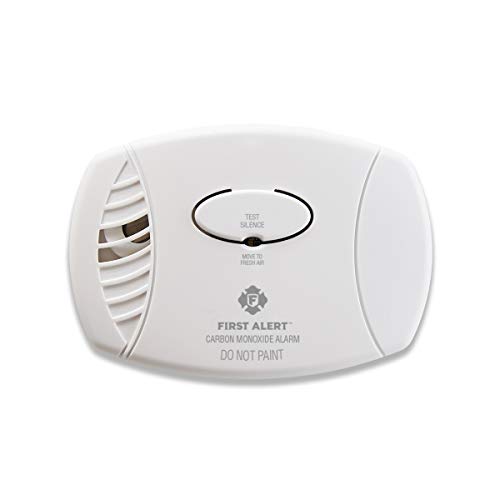
First Alert CO400 Carbon Monoxide (CO) Detector, Battery Operated Alarm, 1-Pack
First Alert CO400 Carbon Monoxide (CO) Detector, Battery Operated Alarm, 1-Pack
VIEW LATEST PRICE
Kidde Carbon Monoxide Detector, Plug-In with 9V Battery Backup, Digital Display, 85 dB Alarm, LED Status Light Indicators, 3rd Edition
Kidde Carbon Monoxide Detector, Plug-In with 9V Battery Backup, Digital Display, 85…
VIEW LATEST PRICEIn this article, we’ll explore how camping stoves work, the dangers of using them indoors, situational exceptions, safety precautions (if you must use one), and safer alternatives to keep you fed and safe.
How Camping Stoves Work: Designed for Open Spaces
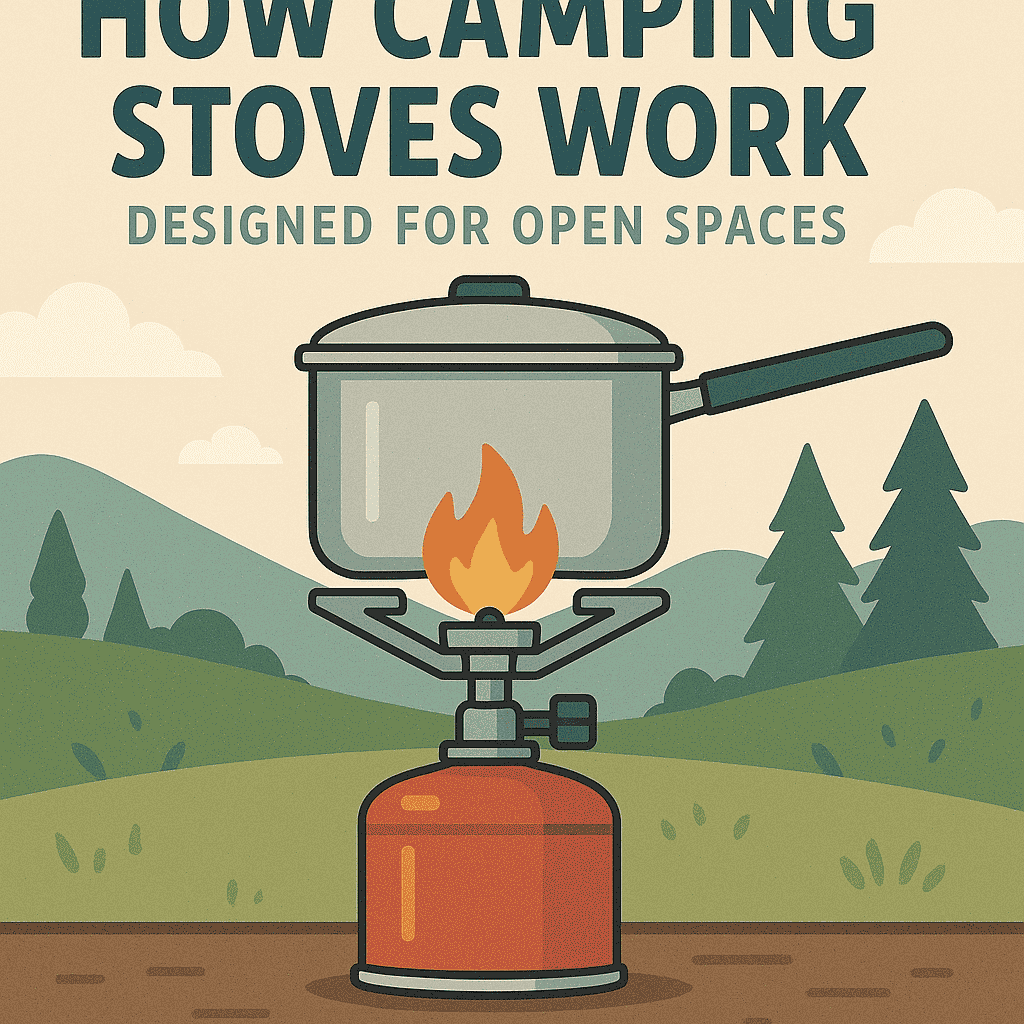
Camping stoves are compact, portable cooking devices fueled by propane, butane, liquid fuel (like white gas), or even wood. Their primary purpose is to provide a reliable heat source for cooking in outdoor environments where ventilation is unlimited. Here’s a quick breakdown of common types:
1. Propane Stoves: Use pressurized propane canisters. Popular for their ease of use and consistent flame.
2. Butane Stoves: Similar to propane but use smaller canisters. Often lighter and quieter.
3. Liquid Fuel Stoves: Run on refillable fuels like white gas or kerosene. Ideal for extreme cold.
4. Wood-Burning Stoves: Use twigs or biomass. No fuel canisters required but produce smoke.
Key Takeaway: All these stoves emit combustion byproducts, including carbon monoxide (CO), a colorless, odorless gas that’s deadly in enclosed spaces. Their design assumes outdoor use, where wind disperses fumes and ensures oxygen replenishment.
The Risks of Using a Camping Stove Indoors
1. Carbon Monoxide Poisoning
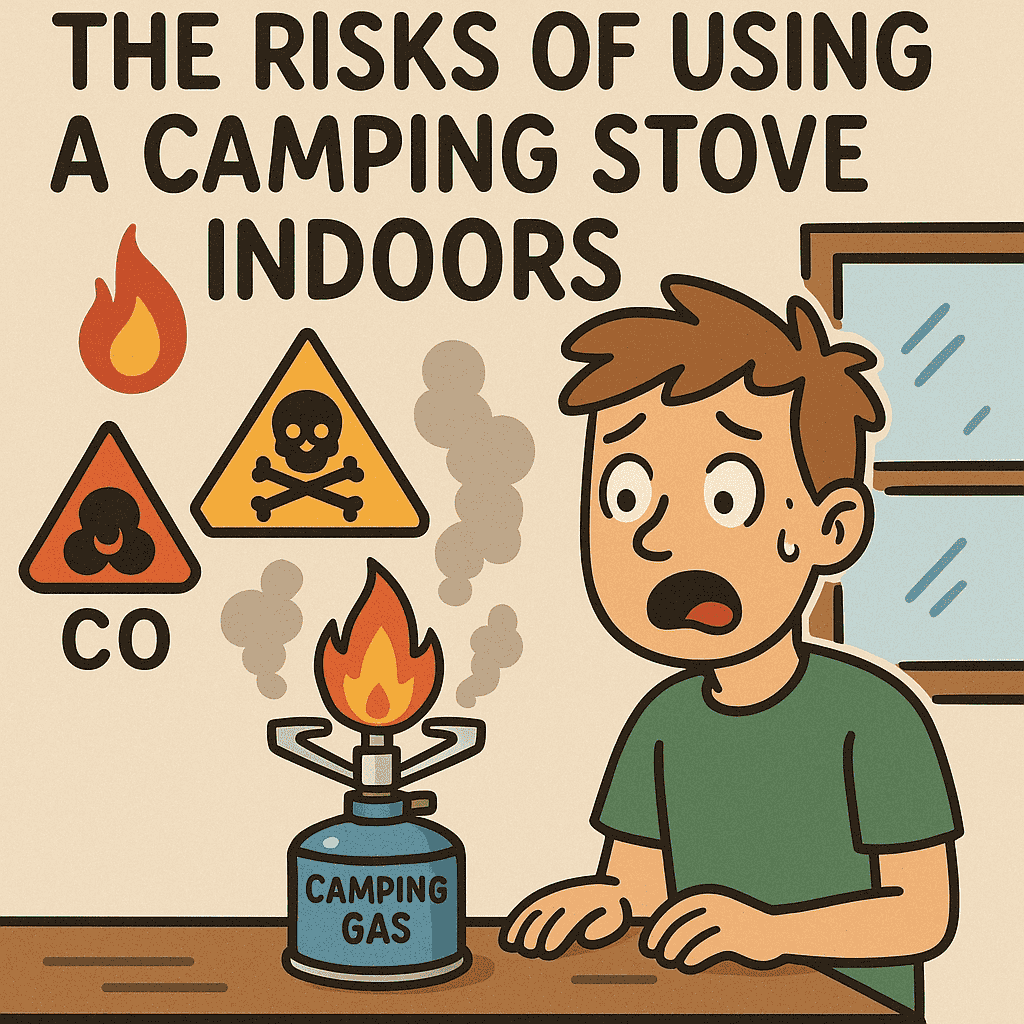
Carbon monoxide is produced when fuel burns incompletely. Even in well-ventilated rooms, gas stoves can generate CO levels that quickly exceed safe limits. According to the CDC, over 400 Americans die annually from unintentional CO poisoning, with portable generators and cooking appliances being common culprits. Symptoms like dizziness, headaches, and nausea can escalate to unconsciousness or death within hours.
2. Fire Hazards
Indoor environments contain flammable materials—curtains, paper, furniture—that can ignite from stray sparks or knocked-over stoves. A 2020 report by the National Fire Protection Association found that cooking equipment caused 49% of home fires, and portable stoves amplify this risk due to instability and lack of safety features.
3. Oxygen Depletion
Camping stoves consume oxygen as they burn fuel. In enclosed spaces, this can lead to dangerously low oxygen levels, causing hypoxia (impaired judgment, fatigue, and asphyxiation).
4. Fuel Leaks and Explosions
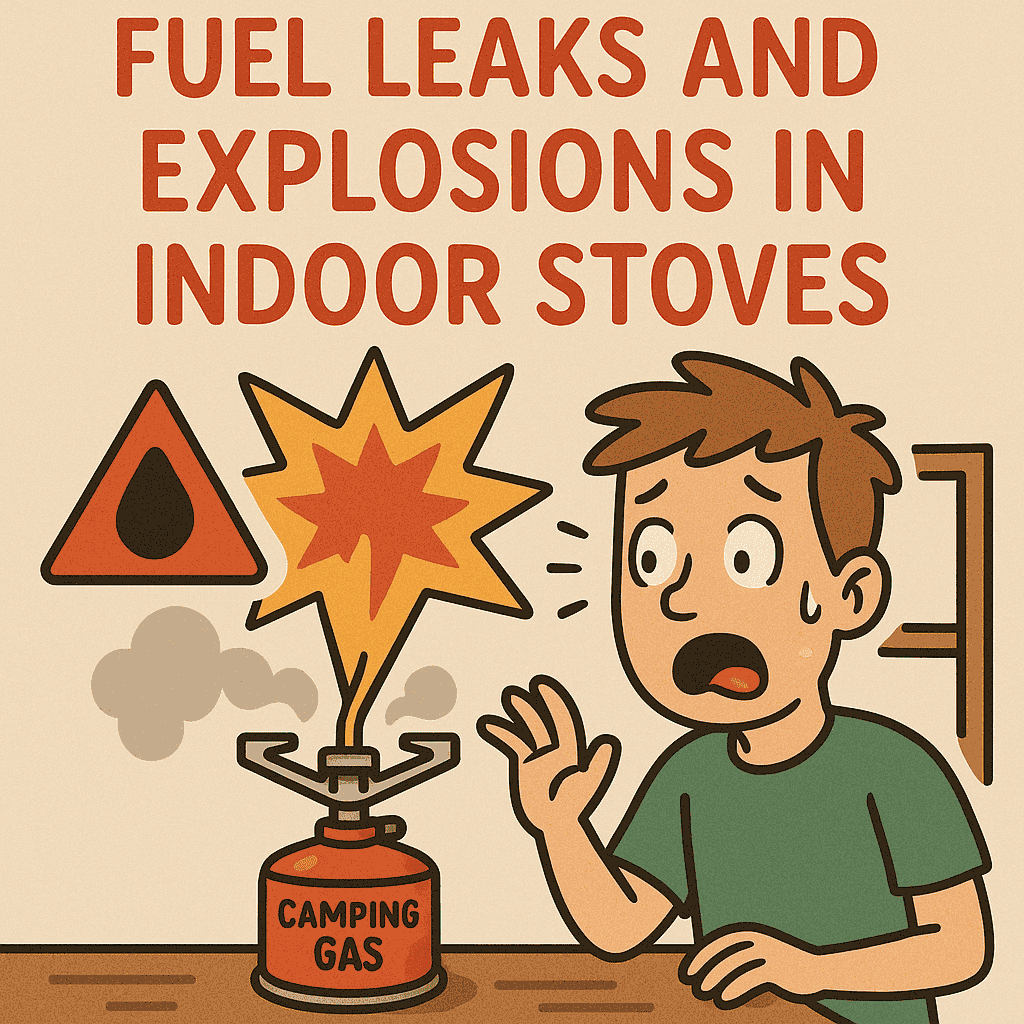
Gas canisters can leak due to damaged valves or improper storage. Propane and butane are heavier than air, meaning leaked gas pools near the floor, creating an explosion risk if ignited.
When Might People Consider Indoor Use? (And Why to Avoid It)
Power Outages
During storms or blackouts, a camping stove might seem like a backup cooking solution. However, this is when CO risks peak, as people often huddle indoors with windows closed.
Small Living Spaces
Urban dwellers without proper kitchens may attempt to use camping stoves for quick meals. Unfortunately, apartments and RVs (without dedicated vents) trap fumes.
Emergencies
In survival scenarios, the need for warmth or food might override caution. Still, the long-term consequences often outweigh short-term benefits.
Bottom Line: No matter the situation, indoor use remains hazardous. Even “cracking a window” isn’t enough to mitigate CO buildup or oxygen loss.
Safety Measures if you Must Use a Camping Stove Indoors
While strongly discouraged, if you have no alternatives in an emergency, follow these precautions:
1. Maximize Ventilation: Open all doors and windows. Use fans to create cross-ventilation.
2. Install Carbon Monoxide Detectors: Ensure batteries are fresh and detectors are placed near sleeping areas.
3. Never Leave Unattended: Stay in the room and monitor the flame. Extinguish immediately after use.
4. Keep a Fire Extinguisher Nearby: Use a Class B (flammable liquids/gases) or multipurpose extinguisher.
5. Avoid Prolonged Use: Limit cooking time to 10–15 minutes to reduce fume accumulation.
6. Check for Leaks: Apply soapy water to fuel connections; bubbles indicate leaks.
Note: These steps reduce—but don’t eliminate—risk. Always prioritize outdoor use.
Safer Alternatives for Indoor Cooking
Instead of risking a camping stove, consider these indoor-safe options:
1. Electric Hot Plates: Affordable, plug-in burners ideal for apartments.
2. Indoor-Safe Butane Stoves: Look for models with automatic shut-off valves and adequate ventilation.
3. Microwave or Slow Cooker: Reheat pre-cooked meals without open flames.
4. Alcohol Stoves: Bioethanol stoves produce minimal CO but still require ventilation.
5. Portable Induction Cooktops: Energy-efficient and flameless.
For emergencies, stockpile non-perishable foods (energy bars, canned goods) that don’t require cooking.
FAQs: Your Questions Answered
1.Can I use a camping stove in a garage or shed?
Even partially enclosed spaces like garages pose risks. CO can accumulate quickly, and poor airflow increases danger. Only use camping stoves in fully open outdoor areas.
2. What if I open a window while using the stove?
While ventilation helps, it’s rarely sufficient. CO can build up faster than it dissipates, especially in small rooms. Open windows and doors, and never rely on this as a long-term solution.
3. How do I recognize carbon monoxide poisoning symptoms?
Early signs include headache, dizziness, nausea, and confusion. If you suspect CO exposure, shut off the stove, go outside, and seek medical help immediately.
4. Are any camping stoves rated for indoor use?
Most are not. However, some portable butane stoves claim indoor compatibility if used with ventilation. Always check manufacturer guidelines and never use them in enclosed spaces.
5. What should I do if my CO detector goes off?
Evacuate immediately, call 911, and don’t re-enter until authorities confirm it’s safe.
Final Thoughts
Camping stoves are invaluable tools for outdoor adventures but belong outside. The risks of indoor use—deadly carbon monoxide, fires, and explosions—far outweigh any convenience. Invest in indoor-safe appliances, prepare emergency meal kits, and prioritize ventilation if you’re ever forced to use open flames inside. Your safety isn’t worth compromising for a quick meal.
When in doubt, remember: No flame is worth the blame. Stay informed, stay prepared, and stay safe.